

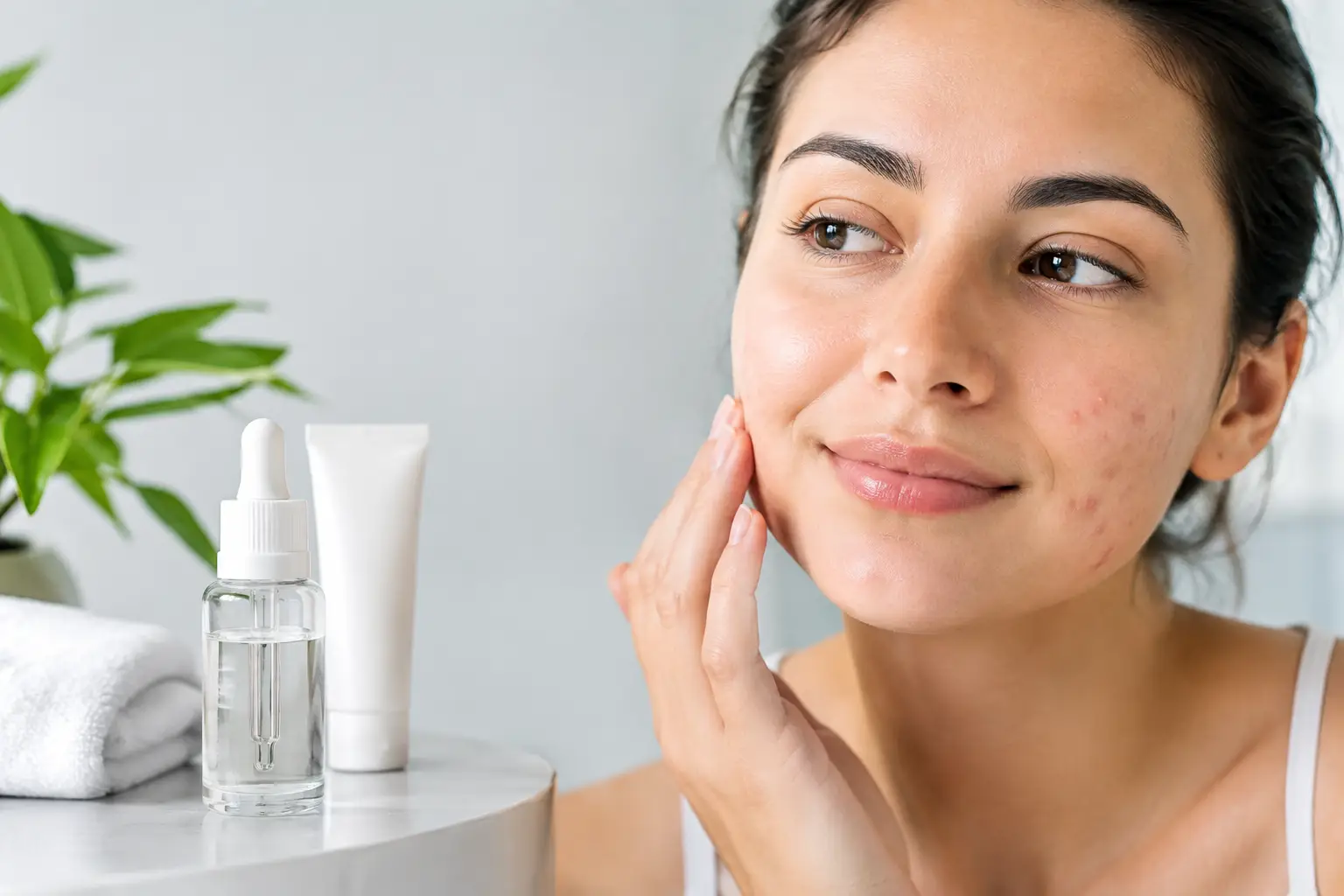
Salicylic Acid for Acne Prone Skin Explained
A breakout often starts before you can see it. Oil, dead skin cells, sunscreen, makeup, and everyday buildup can collect inside the pore, creating the congestion that later becomes a blackhead, whitehead, or inflamed blemish. That is why salicylic acid for acne prone skin can be such a helpful addition to a thoughtful routine: it works where many breakouts begin, inside the pore itself.
For many clients, the goal is not to strip the skin or chase overnight results. It is to create clearer, calmer-looking skin while protecting the moisture barrier that keeps the complexion comfortable and resilient. Used correctly, salicylic acid can support that goal. Used too aggressively, it can leave skin dry, irritated, and more difficult to manage.
What Salicylic Acid Does for Acne-Prone Skin
Salicylic acid is a beta hydroxy acid, also called BHA. Unlike water-soluble exfoliating acids that primarily work at the skin’s surface, salicylic acid is oil-soluble. This allows it to move through oil in the pore and help loosen the mixture of excess sebum and dead skin cells that contributes to congestion.
That makes it especially useful for blackheads, whiteheads, enlarged-looking pores, and the small bumps that can make skin texture feel uneven. It may also help reduce the appearance of redness around minor breakouts because it has soothing, anti-inflammatory properties.
Salicylic acid is not a cure for every type of acne. Deep, painful cysts, hormonal breakouts along the jawline, and acne that leaves scars often need a more personalized approach. Still, for recurring clogged pores and mild to moderate breakouts, it is one of the most reliable ingredients to consider.
Why It Can Be a Better Fit Than Harsh Scrubs
Physical scrubs can make skin feel smooth for a moment, but rough particles may create friction on active breakouts and irritated skin. Salicylic acid offers chemical exfoliation instead. It encourages a more even shedding of dead skin cells without requiring aggressive rubbing.
The trade-off is that chemical exfoliation still needs to be introduced carefully. More frequent use does not necessarily mean better results. Overdoing salicylic acid can weaken the skin barrier, causing stinging, flaking, tightness, or increased sensitivity. When skin is irritated, it may also look redder and make post-acne marks appear more noticeable.
For acne-prone skin, consistency is usually more valuable than intensity. A gentle routine you can maintain is far more effective than a strong product used until your skin becomes uncomfortable.
Choosing the Right Salicylic Acid Product
The ideal product depends on your skin type, breakout pattern, and the rest of your routine. Cleansers containing salicylic acid are often a good starting point for someone who is new to the ingredient or prone to sensitivity. Because they rinse away, they offer a gentler level of contact than a leave-on formula.
Leave-on toners, pads, serums, and spot treatments can provide more targeted support for persistent clogged pores. Many over-the-counter options range from 0.5% to 2% salicylic acid. A lower concentration may be enough for dry, sensitive, or reactive skin, while oilier skin with frequent blackheads may tolerate a stronger option.
Product texture matters, too. If your skin gets shiny by midday, a lightweight gel, liquid, or serum may feel more comfortable. If your skin is acne-prone but also dry or mature, look for a formula with hydrating ingredients and use a nourishing moisturizer afterward. Acne can happen at every age, and skin that is breaking out still needs hydration.
How to Use Salicylic Acid Without Overdoing It
Start slowly, even if you have used exfoliating products before. Apply a new leave-on salicylic acid product two or three nights per week after cleansing, then follow with moisturizer. If your skin stays comfortable after a couple of weeks, you may be able to increase frequency based on the product instructions and your skin’s response.
If you choose a salicylic acid cleanser, massage it gently onto damp skin and rinse thoroughly. There is no need to scrub. On the nights you use it, keep the rest of your routine simple: a mild cleanser if needed, your treatment product, and a barrier-supporting moisturizer.
Daily sunscreen is essential. Exfoliation can make skin more susceptible to sun sensitivity, and unprotected UV exposure can deepen the dark marks that linger after a breakout. Choose a broad-spectrum SPF 30 or higher that feels comfortable enough to wear every day. For acne-prone skin, a lightweight, non-comedogenic formula is often easiest to maintain.
Pairing It With Other Acne Ingredients
Salicylic acid can work alongside ingredients such as niacinamide, azelaic acid, and benzoyl peroxide, but your routine should not become a collection of strong treatments all used at once. Combining too many active ingredients can cause irritation that looks and feels like a setback.
If you use a retinoid, consider alternating nights rather than applying it with salicylic acid when you are first building your routine. Benzoyl peroxide can be effective for inflamed breakouts, but it may also be drying. Use it on separate times of day or alternate days if your skin feels sensitive.
Pay attention to the signals your skin gives you. Mild dryness while adjusting can happen, but persistent burning, swelling, peeling, or itchy patches are signs to pause the product and simplify your routine.
Who Should Use Extra Caution
Salicylic acid is not right for everyone. Avoid it if you have a known allergy to aspirin or salicylates, and speak with a qualified healthcare professional before using it if you are pregnant, breastfeeding, or managing a medical skin condition. People with eczema, rosacea, very dry skin, or a compromised skin barrier may need a gentler approach.
A patch test is a smart first step, especially if your skin is reactive. Apply a small amount of the product to a discreet area and monitor for irritation before using it across the face.
Also remember that acne treatment should never feel punishing. If your skin becomes tight, shiny, flaky, or tender, stepping back is not failure. It is useful information that your current routine needs adjustment.
When Professional Acne Care Makes Sense
At-home salicylic acid products can be valuable for maintenance, but professional care can offer more targeted support when breakouts, congestion, uneven texture, or post-acne discoloration do not improve with a basic routine. A customized facial or professional chemical peel may help address buildup while allowing your skin’s sensitivity, tone, and current concerns to guide the treatment plan.
Professional exfoliation is not simply a stronger version of what you do at home. Timing, preparation, product selection, and aftercare all matter. If you are receiving a peel or another corrective facial treatment, you may be asked to pause salicylic acid and other active ingredients beforehand to protect your skin from unnecessary irritation.
At JFU Wellness Beauty, personalized skin consultations can help determine whether your concerns are best supported by a home routine, a corrective facial, a chemical peel, or a combination of treatments over time. The right plan should respect your skin type and lifestyle, not force your complexion into an overly aggressive protocol.
Common Questions About Salicylic Acid for Acne Prone Skin
How long does salicylic acid take to work?
Some people notice smoother-feeling skin within a few weeks, but clearer pores and fewer breakouts usually require steady use for six to eight weeks. Acne cycles take time, so evaluate your progress over several weeks rather than a few days.
Can salicylic acid cause purging?
When an exfoliating ingredient speeds up the turnover of skin cells, existing clogged pores may come to the surface more quickly. This can look like a temporary increase in breakouts, usually in areas where you already tend to break out. New irritation, burning, or breakouts in unusual places are more likely signs that the product is not agreeing with your skin.
Can I use it every day?
Some people can, particularly with a gentle cleanser, but daily use is not required for results. Your ideal frequency depends on concentration, formula, climate, and how your skin responds. Houston’s heat and humidity can encourage oiliness, while air conditioning and seasonal changes can still leave the skin barrier dry. Adjusting your routine with the seasons is often helpful.
Clearer skin rarely comes from one perfect product. It comes from paying attention, using effective ingredients with patience, and choosing care that helps your skin feel as healthy as it looks.

Leave a Reply