
Is RF Tightening Safe? What Houston Clients Should Know
A treatment that warms your skin to encourage firmer-looking contours can sound intimidating, especially when you are considering it for your face, neck, or body. So, is RF tightening safe? For many healthy adults, radiofrequency skin tightening can be a safe, non-surgical option when it is performed with an appropriate device, correct settings, and a personalized treatment plan.
The word “safe” does not mean risk-free or right for every person. It means your provider takes the time to understand your skin, health history, goals, and comfort level before applying energy to the treatment area. That thoughtful approach is what helps you pursue visible improvement without compromising the natural-looking results you want.
How RF Skin Tightening Works
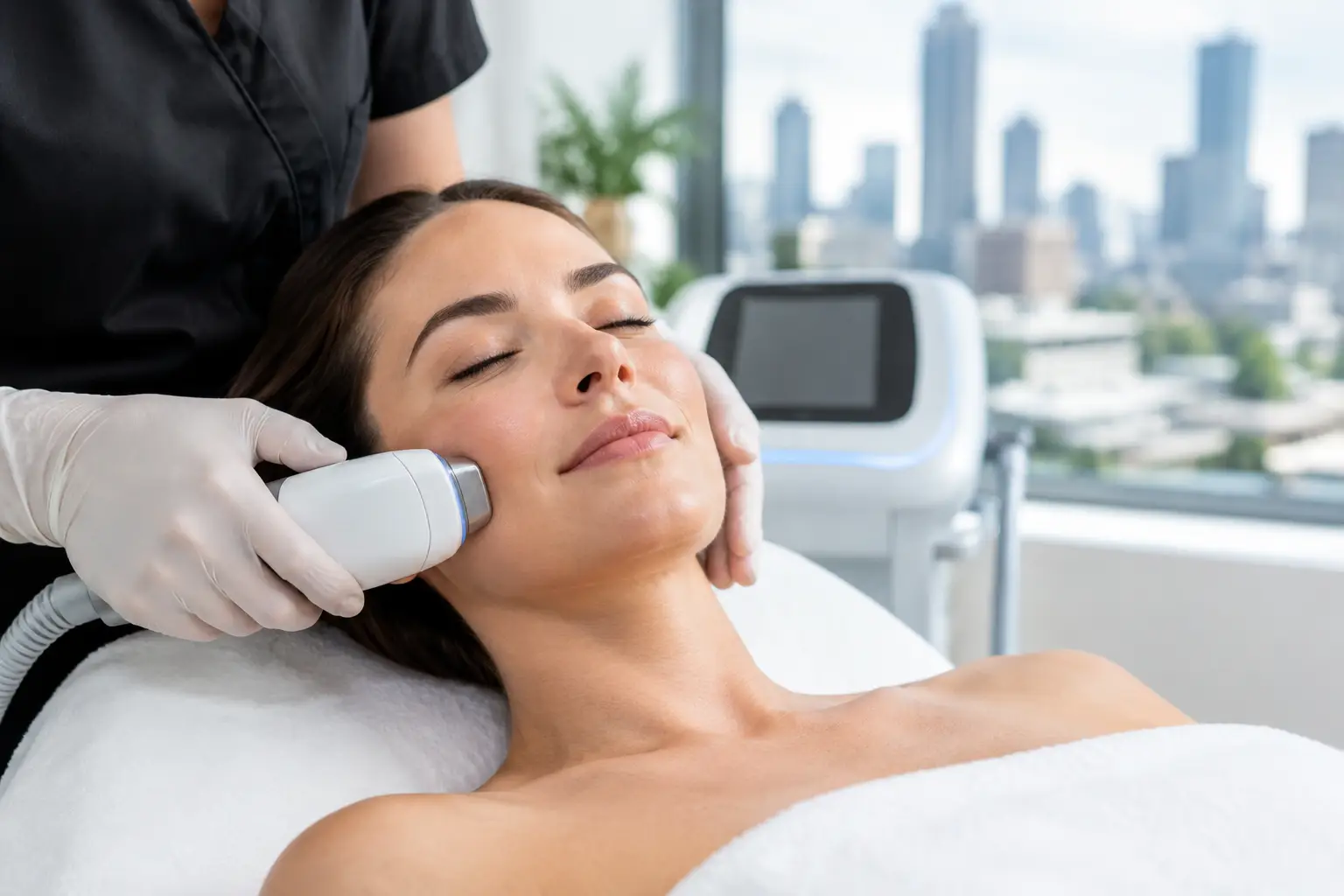
RF, short for radiofrequency, uses controlled energy to gently heat targeted layers of the skin. That heat can stimulate collagen production, a process that supports skin that looks smoother, firmer, and more refreshed over time. Depending on the device and treatment area, RF may be used to address mild skin laxity, fine lines, crepey texture, or a loss of definition along the jawline, neck, abdomen, arms, or thighs.
Collagen remodeling is gradual. While some clients notice an immediate temporary glow or mild tightening from tissue contraction, the more meaningful changes typically develop over several weeks as the skin responds. A series of treatments may be recommended based on the area being treated, the degree of laxity, and your individual goals.
RF tightening is not surgery, and it does not create the dramatic lifting associated with a facelift or body-contouring procedure. It is best suited for clients who want a gentle, maintenance-focused way to support firmer-looking skin with little to no downtime.
Is RF Tightening Safe for Your Skin Type?
One reason RF is popular is that it does not rely on light energy in the same way many laser treatments do. Because radiofrequency targets heat rather than pigment, it can often be considered for a wide range of skin tones and skin types. Still, “suitable for all skin types” does not mean every device, treatment setting, or technique is appropriate for every client.
Your provider should assess factors such as your natural skin tone, sensitivity, current skincare routine, history of pigmentation changes, and the specific concern you want to improve. Someone treating delicate facial skin may need a different approach than someone seeking tightening support on the abdomen or thighs.
Device quality matters, too. A reputable practice uses technology that is FDA-cleared for its intended use and follows the manufacturer’s safety guidance. Just as importantly, the person performing the treatment needs the training to recognize how skin is responding in real time and adjust treatment parameters when needed.
What Does an RF Treatment Feel Like?
Most clients describe RF tightening as a warm, massage-like treatment. The goal is controlled, even heating, not pain. Your provider may check in frequently about your comfort and monitor the skin throughout the appointment.
You may leave with mild redness, warmth, or temporary tenderness in the treated area. These effects commonly settle within hours, though sensitivity can last a little longer for some people. Many clients return to their usual routine the same day, making RF appealing for people who want skin-supporting care without a long recovery period.
Afterward, your provider may advise you to keep your skincare simple for a day or two, stay hydrated, use sunscreen consistently, and avoid excessive heat if your skin feels warm or sensitive. This can include hot baths, saunas, or strenuous exercise immediately after treatment, depending on the area and the device used.
Possible Side Effects and Risks
RF skin tightening has a strong safety profile when performed properly, but every energy-based treatment has potential side effects. The most common are temporary redness, swelling, warmth, or tenderness. Less common risks can include prolonged irritation, bruising, blistering, burns, uneven texture, or changes in pigmentation.
These complications are more likely when energy levels are too aggressive, a device is used incorrectly, or treatment is performed without a proper assessment. This is why a bargain treatment from an unknown source may not be a bargain at all. Your skin deserves more than a one-size-fits-all setting.
It is also wise to be realistic about results. Over-treating an area in pursuit of dramatic change can increase unnecessary risk and may not create a better outcome. A conservative plan that respects your facial structure, skin quality, and natural proportions is often the better path to refreshed, believable results.
Who Should Wait or Choose Another Treatment?
A consultation is essential because RF tightening is not appropriate for everyone. Your provider may recommend postponing treatment if you are pregnant, have an active skin infection, open wounds, a significant rash, or a flare of a skin condition in the treatment area.
People with implanted electronic devices, such as a pacemaker, should disclose this before any RF treatment. Certain metal implants, medical conditions, medications, and recent cosmetic treatments may also affect whether RF is appropriate or how it should be performed. If you have had recent fillers, neuromodulator injections, surgery, or another energy-based procedure, ask about the right timing rather than assuming treatments can be stacked without a plan.
A history of unusual scarring, heat sensitivity, melasma, or post-inflammatory hyperpigmentation does not automatically rule out RF. It does mean your provider should take extra care with treatment selection and settings. In some cases, another service or a slower, more conservative approach may better protect your skin.
Questions to Ask Before RF Skin Tightening
A good consultation should feel informative, not rushed. You should understand what technology is being used, what it is designed to treat, how many sessions may be recommended, and what level of change is realistic for you.
Ask who will perform the treatment and what training they have with that device. Ask how your skin will be evaluated, how comfort and temperature are monitored, and what you should do if you experience lingering redness, swelling, or discomfort afterward. Clear answers are a sign that your provider prioritizes both your confidence and your safety.
It is also helpful to share your full health history and be honest about your skincare habits. Retinoids, exfoliating acids, recent tanning, injectables, and at-home devices can all be relevant. Your provider is not judging your routine. They are using that information to create a safer, more effective plan.
Choosing Care That Feels Personalized
At JFU Wellness Beauty, RF skin tightening is approached as part of a personalized skin and wellness plan, not as a quick fix. The right treatment may involve RF alone, or it may be paired with supportive skincare and other non-invasive services based on your concerns, timeline, and desired level of improvement.
The goal is never to change your face or make you look overdone. It is to help your skin look more supported, smooth, and naturally refreshed while respecting its needs. If RF is not the right match for you right now, an experienced provider should be comfortable saying so and discussing alternatives.
The safest RF treatment is one that begins with an honest conversation. When your provider listens carefully, uses appropriate technology, and builds a plan around your skin rather than a sales script, you can move forward with greater comfort and confidence.

Leave a Reply