

Is Cold Plasma Safe for Skin? What to Know
Cold plasma is generating real interest among clients who want clearer, smoother, more refreshed-looking skin without needles, surgery, or significant downtime. But is cold plasma safe for skin? When it is performed with appropriate equipment, thoughtful settings, and a personalized assessment, it is generally considered a low-discomfort, non-invasive aesthetic option. Safety still depends on the person, the concern being treated, and the quality of the provider behind the treatment.
Cold plasma is not a one-size-fits-all facial. A careful consultation matters because skin can react differently based on sensitivity, active breakouts, recent treatments, medications, and underlying health conditions. The goal should always be healthy-looking improvement that respects your skin barrier, not an overly aggressive treatment plan.
What cold plasma does to the skin
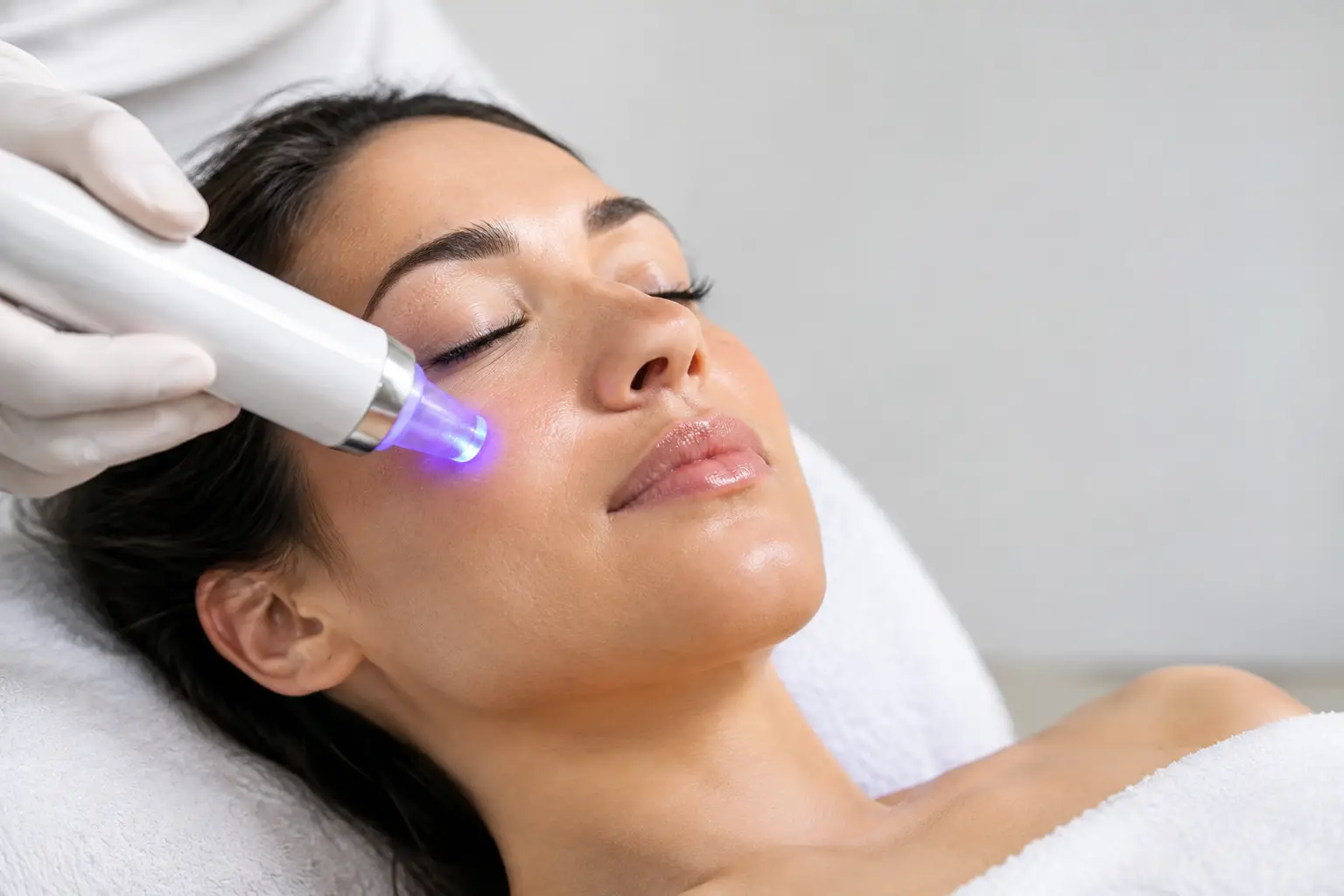
Cold plasma therapy uses energized gas to create reactive particles at a controlled, low temperature. Unlike thermal treatments designed to heat deeper tissue, cold atmospheric plasma is intended to interact with the skin’s surface without burning it. During a professional facial treatment, the device may be held just above the skin or moved methodically across targeted areas.
In aesthetic care, cold plasma is often chosen to support a more balanced-looking complexion. Clients may seek it for acne-prone skin, visible redness, uneven texture, enlarged-looking pores, dullness, and the early signs of aging. It may also be incorporated into a customized facial plan to help the skin feel cleaner, calmer, and more receptive to a consistent at-home skincare routine.
The word “plasma” can sound intense, but this is not the same as a plasma pen treatment that creates controlled micro-injuries through heat. Those treatments have different risks, downtime, and skin-type considerations. Ask exactly which technology is being used and what the treatment is designed to do before booking.
Is cold plasma safe for skin in a med spa setting?
For many adults, professional cold plasma can be a comfortable treatment with little to no downtime. Most clients describe a mild tingling sensation, gentle warmth, or the feeling of air moving across the face. Temporary pinkness can happen, especially if your skin is reactive, but it typically settles quickly.
That said, “non-invasive” does not mean risk-free. Research into cold atmospheric plasma for dermatologic and aesthetic uses is promising, but the technology is still developing and protocols vary by device. A responsible provider should never promise that it will erase acne, rosacea, pigmentation, or wrinkles after one appointment. Results are influenced by your skin condition, your home care, your treatment schedule, and whether cold plasma is the right choice for your goals.
The safest setting is one where the provider reviews your history, evaluates your skin in person, uses proper sanitation, and adjusts the treatment rather than following the same routine for every face. This is particularly valuable for clients with melanin-rich skin, who may be understandably cautious about irritation and post-inflammatory hyperpigmentation after aggressive procedures.
Why personalization protects your results
Your skin may need a different approach if you are dealing with active inflammatory acne than if your main concern is fine lines or loss of radiance. A provider may focus on certain areas, shorten the session, combine cold plasma with soothing facial steps, or recommend another service entirely.
For example, someone with a compromised skin barrier from over-exfoliation may need barrier-supportive skincare before any advanced treatment. Someone managing persistent rosacea symptoms may need medical guidance and a conservative plan. The best recommendation is not always the newest technology. It is the treatment that makes sense for your skin right now.
Possible side effects and when to pause
Most side effects from a properly performed cold plasma facial are mild and short-lived. You may notice temporary redness, tightness, mild dryness, or increased sensitivity for a day or two. If you have active acne, your skin may also look temporarily more flushed immediately after treatment.
More significant irritation is less common, but it can happen if the skin is already sensitized, the device is used improperly, or aftercare instructions are ignored. Stop using a new product and contact your provider if you experience persistent burning, swelling, blistering, rash-like irritation, or discomfort that worsens rather than improves.
Cold plasma may not be appropriate, or may need to be postponed, if you have an open wound, an active skin infection, a severe eczema flare, or a sunburn. Tell your provider if you are pregnant or breastfeeding, have a pacemaker or implanted electronic device, have a history of seizures, are undergoing cancer treatment, or take medications that increase photosensitivity or affect healing. These situations do not always rule out treatment, but they do require individualized guidance and, in some cases, clearance from your physician.
You should also disclose recent chemical peels, laser treatments, microneedling, waxing, injectable appointments, prescription retinoid use, and isotretinoin history. Stacking procedures too closely can place unnecessary stress on the skin, even when each treatment is safe on its own.
How to make your cold plasma treatment safer
The preparation and aftercare are simple, but they are part of the treatment, not an afterthought. Arrive with clean skin if instructed, and avoid trying a new active product in the days leading up to your appointment. Be open about what you use at home, including retinol, exfoliating acids, benzoyl peroxide, and prescription products.
Afterward, keep your routine gentle. Use a mild cleanser, moisturizer, and broad-spectrum sunscreen. Hold off on scrubs, exfoliating acids, strong retinoids, and other potentially irritating actives for the amount of time your provider recommends. Avoid excessive heat, such as hot yoga, steam rooms, and very hot showers, if your skin feels warm or flushed.
Sunscreen deserves special attention. Cold plasma itself may not create the same downtime associated with more aggressive resurfacing treatments, but sun exposure can still aggravate redness and contribute to uneven pigment. Daily SPF supports the results of nearly every professional skin treatment.
Questions worth asking before you book
A confident decision starts with clear answers. Ask what device will be used, what it is intended to treat, and what sensations or visible changes you should expect afterward. Ask whether the provider has experience treating your skin type and concern, especially if you are prone to dark spots after inflammation or have a history of sensitivity.
It is also reasonable to ask how cold plasma fits into your larger plan. For acne-prone skin, you may need a series of appointments alongside an appropriate home routine. For texture or fine lines, cold plasma may complement treatments such as professional facials, chemical peels, or RF skin tightening, depending on your goals and tolerance for downtime. A trustworthy provider will explain the trade-offs rather than selling every service at once.
A gentle approach can still be results-driven
Cold plasma can be an appealing option for people who want to care for their skin without pursuing dramatic or artificial-looking change. Its appeal is not that it replaces every other treatment. It is that, for the right candidate, it can be a comfortable addition to a thoughtful skin-health routine.
At JFU Wellness Beauty, treatment planning begins with listening to what your skin is doing, what you have already tried, and how much downtime fits your life. If you are curious about cold plasma, schedule a consultation and let your skin, not a trend, guide the next step.

Leave a Reply