

Does Laser Hair Removal Hurt? What to Expect
If you have spent years shaving before a Houston pool day, dealing with razor bumps, or scheduling waxing appointments around your calendar, laser hair removal can sound like a welcome change. Still, the question most clients ask before booking is simple: does laser hair removal hurt? The honest answer is that you may feel some discomfort, but most people find it very manageable – especially compared with the repeated discomfort of waxing.
Laser hair removal is not meant to be a test of endurance. A properly planned treatment should be efficient, carefully monitored, and tailored to your skin, hair, and comfort level. Knowing what to expect can replace uncertainty with confidence before your first appointment.
Does Laser Hair Removal Hurt During Treatment?
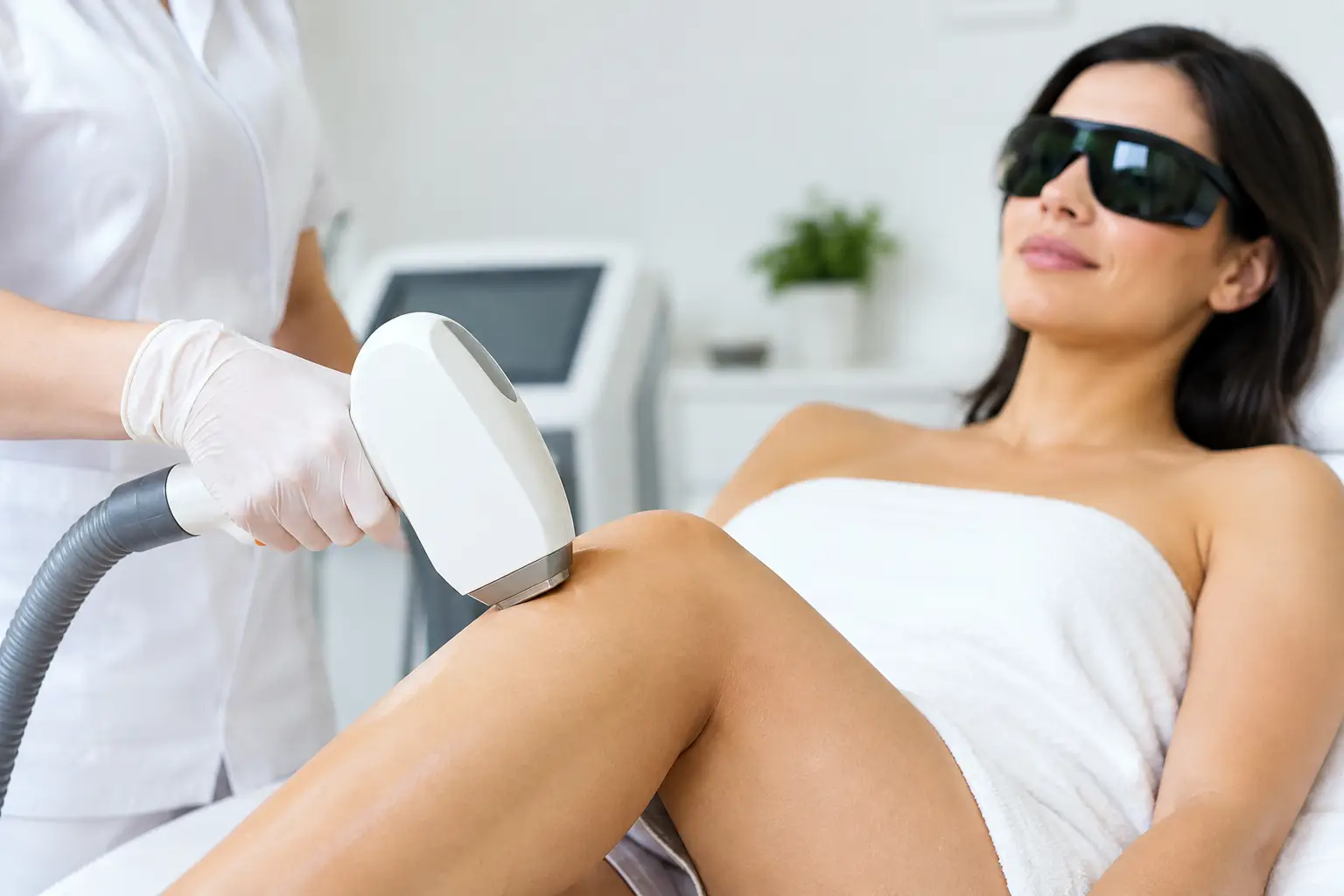
Most clients describe the sensation as a quick snap against the skin, similar to a small rubber band flick. You may also notice a brief feeling of warmth immediately afterward. The sensation happens when the laser targets pigment in the hair follicle, creating heat that helps disrupt future hair growth.
The feeling is very brief. Rather than a continuous pain, it is a series of short pulses as the provider treats each area. Many clients say the anticipation is more uncomfortable than the treatment itself, particularly once they realize how quickly smaller areas can be completed.
Your experience can vary from one session to the next. Hair is often coarser and more active during earlier treatments, so those appointments may feel more noticeable. As hair growth becomes finer and less dense over a series of sessions, many people find later treatments easier.
Why Comfort Levels Differ From Person to Person
There is no single answer that fits every client. Your sensitivity, the treatment area, your hair texture, and the laser settings all influence how laser hair removal feels.
Areas with thicker, darker hair can feel more intense because the laser has more pigment to target. Underarms, the bikini area, and the upper lip are commonly described as more sensitive than the arms or lower legs. Facial areas may also feel more noticeable simply because the skin is delicate and close to bone.
Your timing matters, too. Some women experience increased skin sensitivity around their menstrual cycle. Recent sun exposure, irritation from active skincare products, dehydration, and certain medications can also make skin feel more reactive. This is why a thorough consultation and honest conversation about your health history are part of safe treatment planning.
Skin tone should never be treated as an afterthought. Laser settings and technology must be selected with care to protect the skin while effectively targeting unwanted hair. At JFU Wellness Beauty, treatment plans are personalized rather than based on a one-size-fits-all approach, helping clients pursue smooth, natural-looking results with their safety and comfort in mind.
What Laser Hair Removal Feels Like by Area
The underarms are often quick to treat, but the sensation can be sharp because the hair tends to be coarse. The good news is that the area is small, so treatment is usually over quickly.
The bikini line and Brazilian area can feel more sensitive due to thicker hair and naturally delicate skin. Many clients still prefer it to waxing because laser pulses are brief and there is no repeated pulling of the hair from the root.
Leg treatments tend to be more tolerable for many people, particularly on the lower legs. Since legs cover more surface area, the appointment can take longer, but individual pulses often feel less intense than they do in more sensitive areas.
The upper lip can create a stronger snapping sensation, even though it takes only minutes to treat. Because the area is small, your provider can work efficiently while checking in with you throughout the session.
How to Make Laser Hair Removal More Comfortable
A few simple preparation steps can make a meaningful difference in how your skin responds. Start by shaving the treatment area as directed before your appointment. Shaving keeps the laser energy focused below the skin at the follicle, instead of singeing hair above the surface. Do not wax, tweeze, or use depilatory creams before treatment, because the follicle needs to be present for the laser to target it.
For the days leading up to your session, limit direct sun exposure and avoid tanning. Sun-stressed skin is more sensitive and may require your provider to adjust or postpone treatment for safety. You should also arrive with clean skin free from lotion, deodorant, perfume, makeup, or self-tanner in the treatment area.
If you use prescription skincare, retinoids, exfoliating acids, or medications that can affect light sensitivity, tell your provider before your appointment. Do not stop prescribed medication on your own, but do give your treatment team the information they need to guide you appropriately.
During the appointment, speak up. A caring provider wants to know if a setting feels too intense or if you need a brief pause. Cooling technology, cool air, or a cooling gel may be used depending on the device and area being treated. These measures can help calm the skin and improve the overall experience.
Is Laser Hair Removal More Painful Than Waxing?
For many clients, laser hair removal is less unpleasant than waxing over time. Waxing requires hair to grow out between appointments, then removes many hairs at once by pulling them from the root. It can leave the skin red, tender, and prone to ingrown hairs.
Laser hair removal delivers short pulses of energy to the follicle instead. You may feel a snap with each pulse, but there is no strip being pulled across the skin. While every person has a different pain threshold, clients often appreciate that laser treatments can reduce the need for ongoing shaving and waxing after a full treatment plan.
There is a trade-off: laser hair removal requires consistency. Hair grows in cycles, and laser treatments are most effective when follicles are in an active growth phase. That means you will need a series of appointments spaced over time, followed by occasional maintenance when appropriate. The payoff is the potential for long-lasting hair reduction and a smoother routine with less daily effort.
What Happens After a Laser Hair Removal Session?
Mild redness and small bumps around treated follicles are common immediately after treatment. They can resemble a light sunburn or goosebumps and typically settle within hours to a couple of days. A cool compress and gentle, fragrance-free skincare can help soothe the area.
For about 24 to 48 hours, treat the skin gently. Avoid hot baths, saunas, steam rooms, intense workouts, and anything that creates excess heat or friction in the treated area. Skip scrubs, exfoliating acids, and harsh products until your skin feels calm again. If the treated area will be exposed, use broad-spectrum sunscreen and follow your provider’s aftercare instructions closely.
Call your treatment provider if you experience significant blistering, prolonged swelling, severe discomfort, or any reaction that concerns you. These effects are not expected, and prompt guidance is always the right choice.
When to Wait Before Scheduling
Laser hair removal is not ideal when your skin is sunburned, irritated, or actively healing from a rash, wound, or infection. You may also need to delay treatment if you have recently tanned, changed medications, or started a skincare treatment that increases sensitivity.
Pregnancy policies vary by practice, but laser hair removal is commonly postponed during pregnancy because there is limited research on elective laser treatments in pregnant patients. Your consultation is the place to discuss these details openly and receive guidance suited to your circumstances.
The best laser hair removal experience is not about proving you can tolerate discomfort. It is about choosing a qualified provider, being clear about your goals and sensitivities, and following a treatment plan designed around your skin. When you feel informed and cared for, smoother skin can feel like a practical part of your self-care routine rather than something to fear.

Leave a Reply