

Best Options for Strawberry Legs That Work
Those tiny dark dots that seem to appear right after shaving can make even smooth legs feel like a skin concern. The best options for strawberry legs are not about harsh scrubbing or covering the area with makeup. They start with understanding what is happening inside the pores, then choosing a routine and treatment plan that respects your skin.
Strawberry legs are common, treatable, and nothing to feel embarrassed about. For many people, the right combination of gentle exfoliation, consistent moisture, and a better hair-removal strategy makes a noticeable difference. If stubborn dots keep returning, professional options can help you move beyond short-term fixes.
What Causes Strawberry Legs?
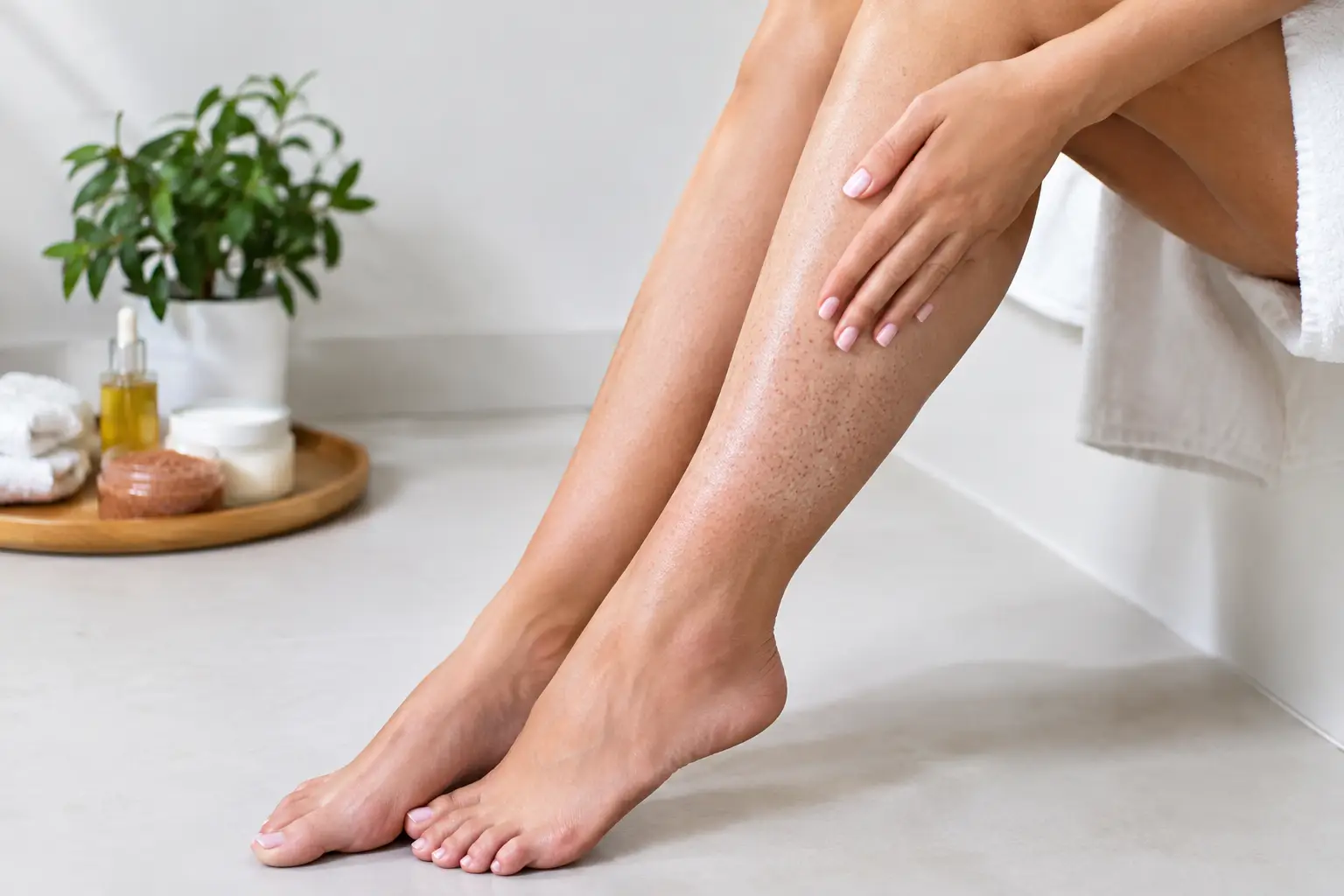
“Strawberry legs” is a casual name for dark-looking pores or small dots on the legs. Often, the dots are clogged pores containing oil, dead skin cells, bacteria, or trapped hair. After shaving, an open follicle can make these spots look more noticeable, especially against lighter or recently exfoliated skin.
The appearance can also be related to keratosis pilaris, a common condition in which keratin builds up around hair follicles. Dry skin, shaving with a dull razor, shaving without enough lubrication, and folliculitis or ingrown hairs can all contribute. The cause matters because a treatment that works beautifully for post-shave clogged pores may not be the full answer for keratosis pilaris or an irritated rash.
If the bumps are painful, very itchy, warm, spreading, or filled with pus, pause exfoliating and seek guidance from a medical professional. Inflamed skin needs a different approach than simple texture or visible pores.
Best Options for Strawberry Legs at Home
Consistency usually matters more than using the strongest product available. A simple, well-tolerated routine can improve the look and feel of the skin over several weeks without creating more irritation.
Use gentle chemical exfoliation
For many clients, chemical exfoliation is a more skin-friendly first step than a rough body scrub. Ingredients such as salicylic acid help clear oil and buildup inside pores, while lactic acid and glycolic acid loosen dead skin cells on the surface. Urea can also soften rough, dry areas and support smoother texture.
Choose one exfoliating body product to start, and use it two or three times a week rather than every day. If your skin is sensitive, begin once weekly. Over-exfoliating can weaken the skin barrier, leading to dryness, stinging, and redness that makes the dots appear more obvious.
Physical exfoliation is not off-limits, but it should be gentle. A soft washcloth or mild exfoliating mitt can be used occasionally, especially before shaving. Skip aggressive loofahs, salt scrubs, and picking at bumps. Skin does not need to be scrubbed raw to become smooth.
Moisturize every day
Dryness can make follicular texture stand out, and it can make shaving more irritating. Apply a fragrance-free body moisturizer after bathing, while skin is still slightly damp. Look for formulas with ceramides, glycerin, hyaluronic acid, urea, or lactic acid, depending on what your skin tolerates.
If you use an exfoliating lotion, follow it with a plain moisturizer when needed. Smooth-looking skin is often the result of hydration as much as exfoliation. Think of exfoliation as clearing the path and moisturizer as helping your barrier stay comfortable afterward.
Upgrade your shaving routine
Shaving does not automatically cause strawberry legs, but rushed shaving can make them worse. Use warm water first to soften hair and skin, then apply a moisturizing shave gel or cream. A clean, sharp razor is essential. Dull blades pull on hair, create more friction, and can leave follicles irritated.
Shave with the direction of hair growth when you are prone to bumps or ingrown hairs. It may not provide the closest possible shave, but it is often gentler on the follicles. Rinse the razor between passes, avoid repeatedly going over the same spot, and apply a soothing moisturizer afterward.
Replace disposable razors regularly and do not store them in a damp shower where bacteria can build up. If your legs react after every shave, that is useful information: your most effective solution may be changing the hair-removal method rather than adding more exfoliants.
Protect exposed skin with sunscreen
Dark spots around follicles can become more visible when sun exposure deepens pigmentation. When your legs are exposed, use broad-spectrum sunscreen. This is especially helpful if you are using exfoliating acids, which can leave skin more sensitive to the sun.
When Laser Hair Removal Is a Better Long-Term Option
If shaving is the cycle behind your strawberry legs, laser hair removal may be one of the most effective longer-term options. By reducing hair growth over a series of sessions, laser treatment can reduce the need for frequent shaving and may lessen the irritation, ingrown hairs, and visible follicle congestion that follow it.
Results vary based on hair color, hair density, skin tone, hormones, and the technology used. Laser hair removal is not a one-appointment solution, and occasional maintenance may be needed. Still, for clients who are tired of shaving every few days or managing repeated bumps, it can be a meaningful investment in smoother-looking skin and a simpler routine.
A professional consultation is especially valuable for deeper skin tones or sensitive skin. The right settings, treatment schedule, and aftercare should be chosen for your skin and hair profile, not copied from someone else’s experience. At JFU Wellness Beauty, laser hair removal is approached as a personalized treatment plan with skin safety and natural-looking results in mind.
Professional Treatments for Rough Texture and Dark Marks
When pore congestion, uneven texture, or lingering discoloration does not respond to at-home care, professional skin treatments can provide a more tailored next step. A provider may recommend a carefully selected chemical peel or a series of skin-focused treatments based on whether your primary concern is roughness, ingrown hairs, dark marks, or dryness.
Professional exfoliation can be helpful, but stronger is not always better. The best plan accounts for your skin tone, current products, recent sun exposure, hair-removal habits, and any history of sensitivity. This matters because overly aggressive treatment can trigger irritation or post-inflammatory hyperpigmentation, particularly in melanin-rich skin.
If you are considering a peel or another professional treatment, stop using strong exfoliants as directed before your appointment. Be honest about retinoids, waxing, recent tanning, medications, and past reactions. A thoughtful consultation creates safer, more predictable results.
A Simple Routine to Start With
You do not need a shelf full of products to begin. On most days, cleanse your legs gently in the shower and moisturize afterward. Two or three evenings a week, use a salicylic acid, lactic acid, glycolic acid, or urea body product instead of adding multiple active ingredients at once.
On shaving days, skip harsh exfoliation if your skin feels sensitive. Use a fresh razor and shave product, then moisturize. Give the routine at least four to six weeks before deciding whether it is helping, unless you develop burning, persistent redness, or worsening bumps.
The most helpful closing thought is this: strawberry legs do not mean you have neglected your skin. They are often a sign that your follicles need a gentler routine, better hydration, or a hair-removal plan that works with your skin rather than against it. With personalized care and a little patience, smoother, more comfortable legs are a realistic goal.

Leave a Reply