
RF Tightening Pain: What Does It Feel Like?
RF tightening pain is one of the first questions clients ask before booking a skin-firming treatment, and it is a smart one. Radiofrequency treatments should feel warm and active, not frightening or unbearable. With the right device settings, technique, and personalized plan, most clients find RF skin tightening very manageable and appreciate that it supports firmer-looking skin without surgery or significant downtime.
Is RF Tightening Painful?
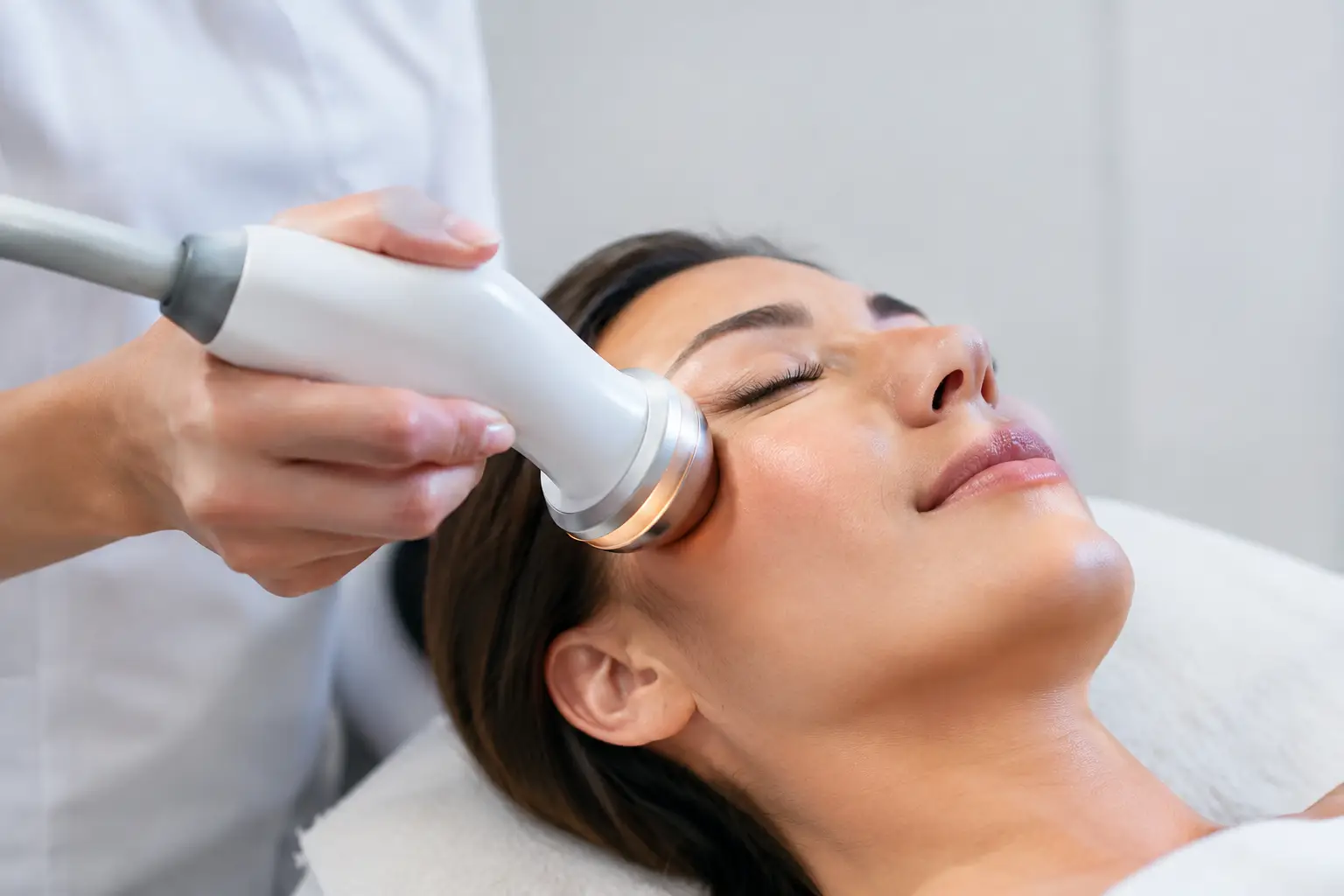
RF skin tightening uses radiofrequency energy to gently heat targeted layers of the skin. That controlled warmth is what encourages collagen support and can help improve the appearance of mild skin laxity, fine lines, texture, and crepey-looking skin over a series of treatments.
Most people describe the sensation as a deep, building warmth with occasional brief hot spots. Some areas, such as along the jawline, forehead, neck, or bony areas of the body, can feel more sensitive than fuller areas with more tissue. The treatment should not feel like sharp, burning, or escalating pain.
Everyone has a different pain threshold, so there is no single answer that applies to every client. A person who comfortably tolerates waxing or laser hair removal may find RF very easy, while someone with sensitive skin, anxiety around heat, or a lower tolerance may need slower passes and more frequent comfort checks. That is why a one-size-fits-all setting is never the right approach.
Why RF Tightening Pain Can Vary
The sensation during treatment depends on more than the device itself. The treatment area matters, as does the amount of energy being used, the type of applicator, your skin sensitivity, and how hydrated and rested you are that day. Your provider also adjusts the treatment based on your goals and how your skin is responding in real time.
Higher energy is not automatically better. Radiofrequency works best when the skin reaches and maintains an appropriate therapeutic warmth safely. Turning the setting up too aggressively can create unnecessary discomfort without guaranteeing better results. Skilled providers aim for effective, controlled heating while protecting your comfort and skin integrity.
Skin that is already irritated may be more reactive. For example, recent sun exposure, a rash, active inflammation, an aggressive exfoliating routine, or certain acne treatments can make the skin feel more sensitive. Be honest about recent treatments and products, including retinoids, acids, and prescription skincare, during your consultation.
Hormonal changes can matter too. Some clients notice increased sensitivity around their menstrual cycle, and others find they are more reactive when they are stressed, dehydrated, or short on sleep. These factors do not necessarily rule out treatment, but they can help your provider plan a more comfortable session.
What RF Skin Tightening Usually Feels Like
At the beginning of an appointment, the applicator may feel cool because of gel or built-in cooling features. As the treatment progresses, warmth develops in the skin and deeper tissue. Many clients compare it to a hot stone massage that moves steadily across the treatment area, with short moments of stronger heat in more delicate spots.
A quality treatment does not require you to push through pain. Your provider should check in regularly and respond if the sensation changes. You may be asked to rate the warmth or discomfort on a simple scale, which helps guide adjustments throughout the appointment.
Afterward, it is common to have temporary pinkness and a warm feeling, similar to mild flushing after exercise. This generally settles within hours, though the timeline varies by treatment area and individual skin sensitivity. Some clients feel a subtle tightness immediately, while collagen-related changes develop gradually in the weeks that follow.
How We Make RF Treatments More Comfortable
Comfort begins before the device touches your skin. A thoughtful consultation helps identify your concerns, treatment history, skin sensitivity, and desired result. At JFU Wellness Beauty, RF skin tightening is approached as a personalized skin-health treatment, not a rushed appointment with preset settings.
Your provider may begin conservatively, especially if it is your first session. This allows you to learn the sensation and gives the provider an opportunity to evaluate how your skin responds. Settings can be adjusted gradually, and the applicator can be moved at a pace that keeps heat distribution even.
Simple preparation can also make a meaningful difference. Come to your appointment well hydrated, avoid arriving with a sunburn or irritated skin, and tell your provider if you are unusually sensitive that day. Avoid applying strong active products to the area immediately before treatment unless your provider has specifically told you otherwise.
During the session, speak up early rather than waiting until you are uncomfortable. You might say that one area feels hotter, that the warmth is becoming difficult to tolerate, or that you need a brief pause. Clear communication helps your provider modify the experience before discomfort becomes distressing.
When Pain Is Not Normal
Brief, tolerable heat is expected. Sharp pain, intense burning, or pain that continues after the applicator has moved away is not something to ignore. A properly performed treatment includes continuous attention to how the skin looks and feels.
Tell your provider immediately if you notice:
- A burning or stinging sensation that does not ease when treatment pauses
- Sudden sharp pain in one focused area
- Blistering, gray or white patches, or rapidly worsening redness
- Significant swelling, severe tenderness, or a reaction that increases after you leave
Mild redness and warmth can be normal after RF, but visible skin injury is not an expected outcome. If you have concerning symptoms after an appointment, contact the treating clinic promptly for guidance. Do not attempt to exfoliate, scrub, or apply strong active products to irritated skin while waiting for instructions.
Who Should Discuss RF Safety Before Booking?
Radiofrequency is a non-invasive option for many adults, but it is not right for every situation. A consultation is especially important if you are pregnant, have an implanted electronic medical device, have metal hardware in or near the treatment area, have an active infection or open skin, or have a condition that affects sensation or healing.
Certain medications and recent aesthetic procedures may also affect timing. If you have recently had injectable treatments, a chemical peel, laser procedure, surgery, or a significant flare of acne or rosacea, your provider can help determine whether to wait. Safe timing protects your skin and helps you get more consistent results.
People with darker skin tones often seek non-invasive treatments that respect their skin’s needs. RF can be a valuable option because it does not rely on targeting pigment in the same way some light-based treatments do. Still, every skin type deserves individualized settings, a careful assessment, and realistic expectations.
Set Your Comfort Level Before Your First Session
The best RF experience is collaborative. Before treatment begins, ask what sensations to expect in your chosen area, how the provider monitors heat, and what adjustments are available if you are sensitive. You should leave the consultation feeling informed, heard, and comfortable with the plan.
RF skin tightening is designed to support natural-looking improvement over time, not force a dramatic change in one uncomfortable session. When warmth is controlled and your provider listens closely, the treatment can feel like a practical part of your self-care routine – one that supports confidence while keeping your safety and comfort at the center.

Leave a Reply