

Laser Ingrown Hairs Treatment That Breaks the Cycle
That painful bump along the bikini line, under the chin, or on the legs is rarely just a cosmetic inconvenience. Ingrown hairs can leave skin tender, itchy, discolored, and frustratingly hard to manage, especially when shaving seems to restart the problem every few days. If “laser ingrown hairs” is the phrase you have been searching, laser hair removal may offer a more lasting way to reduce the cycle.
Unlike a quick fix that treats one visible bump, laser hair removal targets the hair follicle itself. With fewer active follicles producing coarse hair, there are fewer opportunities for hair to curl back into the skin. For many clients, that means smoother skin, fewer razor bumps, and less time spent trying to cover irritation with makeup or clothing.
Why Ingrown Hairs Keep Coming Back
An ingrown hair develops when a growing hair gets trapped beneath the skin or curls back into it. The body can react as though it is dealing with a small foreign object, creating redness, swelling, and sometimes a pus-filled bump. Coarse, curly hair is more likely to become ingrown, but anyone who shaves, plucks, waxes, or wears close-fitting clothing can experience it.
The problem is often most persistent in areas that receive frequent hair removal: the bikini area, underarms, face, neck, legs, and Brazilian area. Shaving can create a sharp hair tip that is more likely to pierce the skin as it grows. Waxing removes hair from the root, but repeated waxing may still irritate the follicle and does not stop future growth.
Exfoliation and thoughtful shaving habits can help, but they do not change the fact that hair continues to grow. This is where laser treatment becomes a practical option for clients who are tired of managing the same irritation month after month.
Can Laser Treatment Prevent Ingrown Hairs?
Laser hair removal uses controlled light energy to heat the pigment in a hair follicle. The goal is to damage the follicle enough to slow and reduce future hair growth while protecting the surrounding skin. When there is less hair growing in the treatment area, there is less hair available to become trapped under the surface.
Laser treatment does not physically remove an existing ingrown hair during the appointment. A deeply embedded hair, active infection, cyst, or severe inflammation may need separate care before treatment. What laser can do is reduce the underlying source of recurring ingrowns over a series of sessions.
Results depend on your hair color, hair thickness, skin tone, hormones, and treatment consistency. Darker, coarser hairs often respond well because they contain more pigment for the laser to target. Fine, light blond, gray, red, or white hair may respond less predictably. A consultation is the right place to discuss whether your hair pattern and skin goals make you a strong candidate.
Why a Customized Setting Matters
Safe laser hair removal is not a one-setting service. Your provider should consider your skin tone, sensitivity, hair density, the body area, recent sun exposure, and any history of pigmentation changes. This is especially meaningful for deeper skin tones, where using the wrong laser type or settings can increase the risk of burns or post-inflammatory dark spots.
At JFU Wellness Beauty, treatment plans are personalized to support effective hair reduction while respecting the health and comfort of your skin. The goal is not to rush through an aggressive setting. It is to create visible, natural-looking improvement with a thoughtful approach that works for your individual skin.
What a Laser Appointment Feels Like
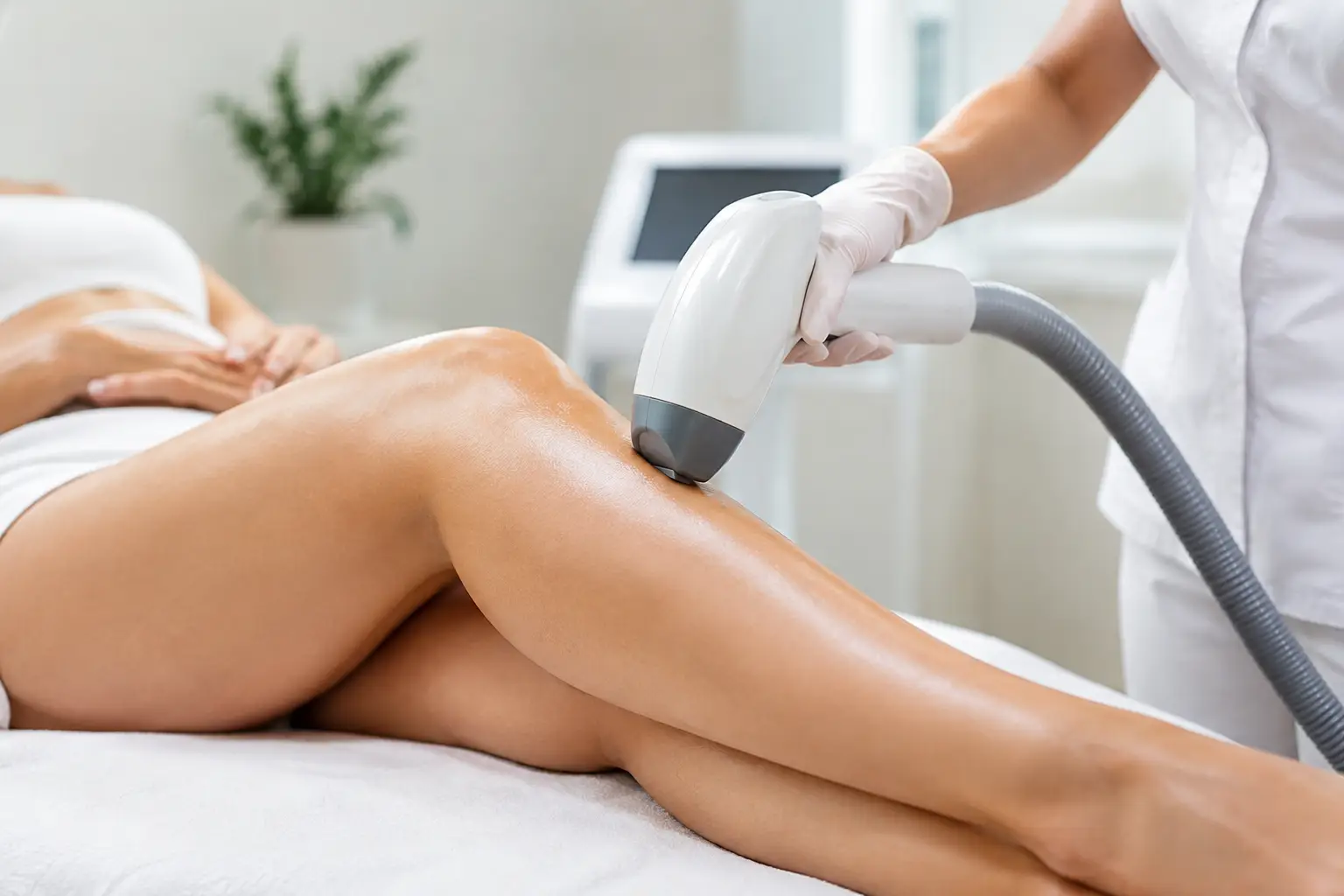
A laser appointment is typically quick, particularly for smaller areas such as the upper lip, chin, underarms, or bikini line. Most clients describe the sensation as a brief snap of warmth against the skin. Some areas are more sensitive than others, but cooling methods and proper treatment settings can make the experience more comfortable.
Your provider will cleanse the area, confirm your skin is ready for treatment, and use protective eyewear. The laser is then applied in a series of pulses across the treatment zone. Mild redness or warmth afterward is common and usually settles within a short time.
Hair grows in cycles, and laser energy works best when hairs are in an active growth phase. That is why a single appointment is not enough for long-term reduction. Most treatment plans include a series of sessions spaced several weeks apart, followed by occasional maintenance appointments if needed. Your exact schedule should reflect the body area, your hair growth cycle, and how your skin responds.
How to Prepare for Treatment
Good preparation protects your skin and helps your appointment go more smoothly. Avoid waxing, tweezing, threading, and epilating before laser hair removal because the follicle needs to contain hair for the laser to identify its target. Shaving is usually preferred before treatment because it leaves the follicle intact without long surface hair that can absorb extra heat.
Try to avoid tanning, self-tanner, and prolonged direct sun exposure before your appointment. Tan skin can make treatment settings more complicated and may increase sensitivity. Arrive with clean skin free from heavy lotion, deodorant, perfume, or makeup in the treatment area.
Be open with your provider about medications, skincare products, recent procedures, and health changes. Certain prescriptions and active ingredients can make skin more sensitive to light. If you are pregnant, breastfeeding, managing a skin condition, or prone to cold sores in a facial treatment area, ask for guidance before booking.
Caring for Skin Between Sessions
The first day after treatment is a time to keep things simple. Your skin may feel warm or look slightly pink, much like it would after light sun exposure. Use a cool compress if needed, wear loose clothing around treated areas, and avoid hot baths, saunas, intense workouts, and friction for at least 24 hours if your provider recommends it.
Do not pick at bumps, squeeze follicles, or pull hairs that appear to be shedding. After a few days, treated hairs may look as if they are growing normally, but many are actually working their way out of the follicle. Gentle exfoliation can be helpful once your skin has fully calmed, though harsh scrubs and strong acids can make irritation worse.
Between appointments, shave only when needed and use a clean, sharp razor with a soothing shave product. Shave in the direction of hair growth rather than repeatedly going over the same spot. If you are prone to discoloration after ingrown hairs, daily sunscreen on exposed areas is essential. Sun protection helps prevent marks from becoming darker and supports a more even-looking result over time.
When Ingrown Hairs Need Medical Attention
Laser hair removal can be an excellent strategy for recurrent razor bumps, but not every bump should be treated as a routine ingrown hair. See a medical professional if you have severe pain, spreading redness, fever, drainage, scarring, or large recurrent cysts. These signs can point to infection or another skin concern that requires medical care.
For ordinary irritation, laser hair removal can be a confidence-building investment in smoother skin and a lower-maintenance routine. The best next step is a personal consultation, where your provider can assess the area, answer questions about safety for your skin tone, and build a plan that gives your skin room to feel calm, clear, and comfortable again.

Leave a Reply