
How to Maintain Facial Results Between Visits
A great facial result should look like you on a very good day: rested, smooth, clear, and naturally refreshed. Knowing how to maintain facial results helps protect the time and care you have invested in your skin, whether you love regular facials, chemical peels, RF skin tightening, cold plasma therapy, or wrinkle-relaxing injections.
The truth is that no treatment pauses the effects of sun exposure, stress, changing hormones, dehydration, or the natural aging process forever. What it can do is give your skin a healthy reset and, with the right maintenance plan, help you enjoy visible improvement for much longer.
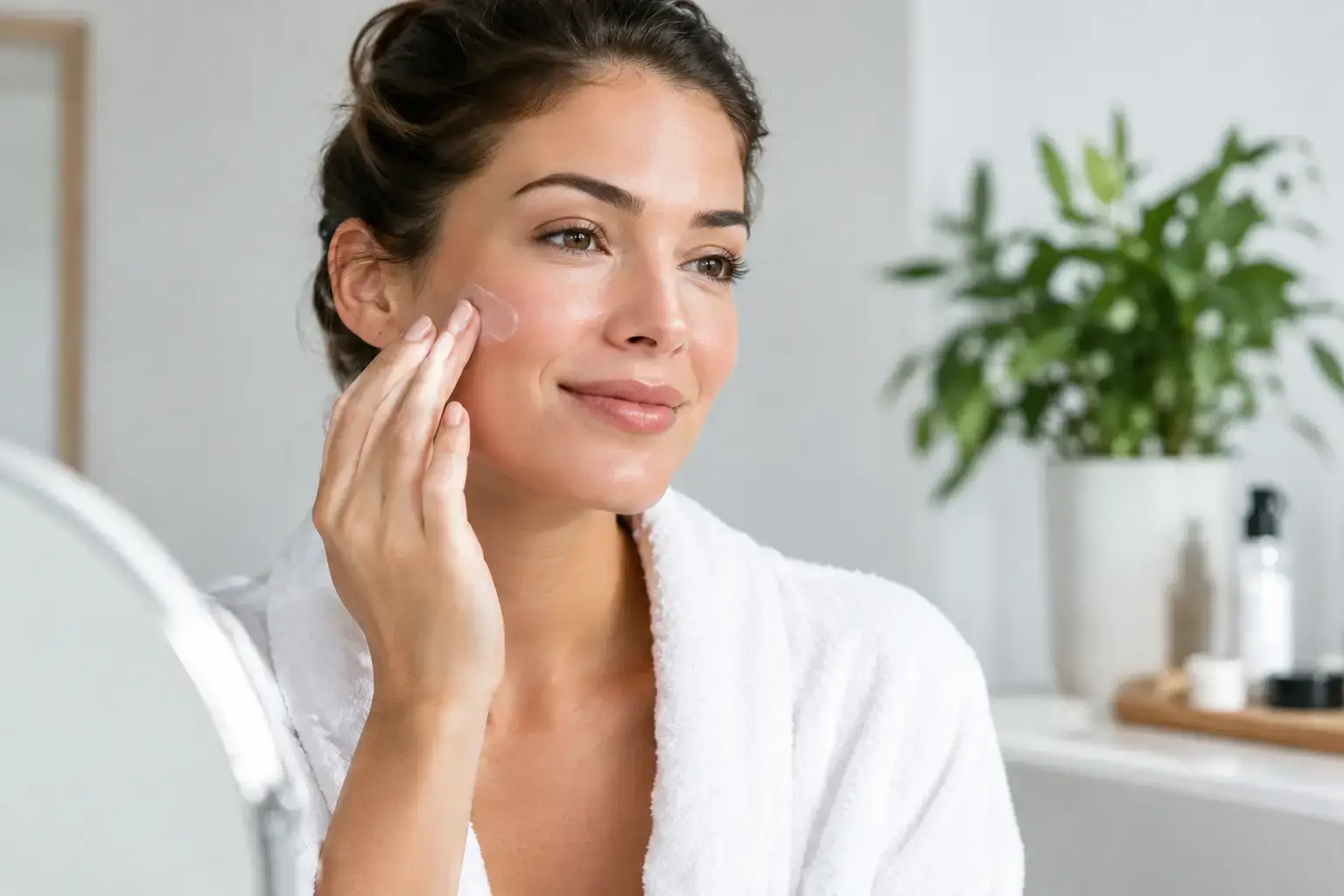
How to Maintain Facial Results at Home
Your at-home routine has more influence on the longevity of your results than any single product trend. It does not need to be complicated. It needs to be consistent and suited to your skin type, concerns, and recent treatments.
Start with gentle cleansing. Skin that is stripped by harsh cleansers, overly hot water, or frequent scrubbing may become dry, irritated, or more prone to breakouts. A gentle cleanser removes makeup, sweat, sunscreen, and daily buildup without leaving your face tight or uncomfortable. If you are acne-prone, oily, sensitive, or dealing with rosacea, your provider can recommend ingredients and cleansing frequency that support your skin barrier rather than disrupt it.
Moisturizer is not optional, even for oily skin. Well-hydrated skin often looks smoother and more radiant because its surface reflects light more evenly. It can also help minimize the look of fine lines caused by dehydration. Choose a formula that feels comfortable enough to use every day, and adjust it seasonally if Houston humidity, air conditioning, or cooler weather changes how your skin behaves.
Wear sunscreen every morning
Daily broad-spectrum sunscreen is one of the most effective ways to preserve a clearer, more even-looking complexion. UV exposure can deepen pigmentation, contribute to premature lines, slow the benefits of corrective treatments, and increase redness in sensitive skin.
Use sunscreen every morning, including on cloudy days and on days spent mostly indoors. If you will be outside, driving for long periods, exercising, or sitting near bright windows, reapplication matters. A hat and shade add another helpful layer of protection, especially after treatments such as chemical peels or cold plasma therapy, when skin may be more reactive to the sun.
Use active ingredients with a plan
Ingredients such as retinoids, vitamin C, exfoliating acids, niacinamide, and pigment-correcting products can be valuable, but more is not always better. Layering several strong actives at once can cause peeling, redness, sensitivity, and breakouts that make skin look less healthy.
The best routine depends on your goals. Vitamin C may be a smart morning option for dullness and discoloration, while a retinoid may support texture and fine lines when used gradually at night. Acne-prone skin may benefit from carefully selected exfoliating or clarifying ingredients. Sensitive or rosacea-prone skin often needs a simpler, barrier-focused approach.
After a facial, peel, RF treatment, or other professional service, follow your provider’s aftercare instructions instead of restarting every active product immediately. There can be a trade-off between pushing for faster change and giving your skin the recovery time it needs for beautiful, comfortable results.
Support Your Skin From the Inside Out
Skin is part of your overall health, so it often reflects what is happening beyond your bathroom counter. You do not need perfection to see a difference. Small, steady habits tend to be more realistic and more effective.
Hydration supports the appearance of plump, comfortable skin, particularly when combined with moisturizer and a healthy skin barrier. Aim to drink water regularly throughout the day, especially if you exercise, spend time outdoors, or enjoy coffee and alcohol. Hydration alone will not erase wrinkles, but dehydrated skin can make texture and fine lines more noticeable.
Sleep matters, too. During restful sleep, the body completes many of its repair processes. A few late nights will not undo your treatment, but chronic lack of sleep can leave the complexion looking dull, puffy, or stressed. If under-eye puffiness is a concern, elevating your head slightly, reducing late-night salty foods, and prioritizing consistent sleep may help.
Nutrition also plays a supporting role. A balanced diet with protein, colorful produce, healthy fats, and fiber gives your body the building blocks it needs. For some people, frequent high-sugar foods or certain dietary triggers can worsen inflammation or breakouts. If you notice a pattern, it is worth discussing with a healthcare professional rather than relying on restrictive trends.
Keep Up With Professional Maintenance
Professional treatments work best when they are part of a thoughtful plan rather than a one-time response before a special event. The right timing varies based on your skin, lifestyle, budget, and the treatment itself.
Regular facials can help keep pores clear, boost hydration, and provide tailored support as your skin changes. Clients managing congestion, dullness, uneven texture, or seasonal dryness may benefit from a consistent facial schedule. Chemical peels can address concerns such as discoloration, acne, and texture, but they should be timed carefully to allow appropriate recovery and avoid unnecessary irritation.
Collagen-supporting services such as RF skin tightening and cold plasma therapy may be recommended as a series, followed by periodic maintenance. These treatments are designed to support gradual, natural-looking improvement, so patience is part of the process. Your provider can help you decide when maintenance makes sense based on your response and goals.
Neuromodulators such as Botox and Xeomin work differently. They temporarily soften the muscle movement that contributes to expression lines, commonly around the forehead, brows, and eyes. Results typically wear off over time, so maintenance appointments are often scheduled before movement fully returns. However, timing should be personalized. Treating too frequently or chasing an overly frozen look does not align with a natural, balanced result.
At JFU Wellness Beauty, a personalized approach can help you combine in-clinic care with practical home skincare, so your plan feels sustainable instead of overwhelming.
Protect Results by Avoiding Common Setbacks
Many facial results fade faster because of everyday habits, not because a treatment failed. Excessive sun exposure is the most common example, but it is not the only one.
Avoid picking blemishes, peeling skin, or clogged pores. Picking can increase inflammation and may lead to dark marks or scarring, particularly in deeper skin tones. If you are prone to breakouts, a consistent acne-focused routine and professional guidance are safer choices than aggressive extraction at home.
Be cautious with new products right before an important occasion or soon after a treatment. A popular mask, scrub, or high-strength serum may not be right for your skin at that moment. Patch-testing new products and introducing one change at a time makes it easier to identify what your skin likes.
Smoking can accelerate visible aging and interfere with healthy circulation, while frequent alcohol intake may contribute to dehydration, redness, and puffiness. You do not have to make an all-or-nothing change overnight, but reducing these stressors can complement the results you see from professional care.
Know When Your Routine Needs to Change
Your maintenance plan should not stay exactly the same forever. Hormonal changes, pregnancy, menopause, stress, medications, travel, weather, and age can all affect the skin. A routine that worked beautifully last year may need a few adjustments now.
Pay attention to signals such as persistent dryness, stinging, increased breakouts, worsening discoloration, or new sensitivity. These are not signs that you need to buy more products. Often, they mean your skin needs a gentler routine, a different active ingredient, or a professional assessment.
If you have a special event ahead, plan early. Some treatments need time for the skin to settle or for collagen-building results to develop. Giving yourself a comfortable window reduces pressure and allows your provider to choose options that fit your timeline safely.
Beautiful maintenance is not about chasing flawless skin. It is about protecting your progress, responding thoughtfully to change, and choosing care that helps you feel confident in your own skin. A personalized consultation can turn that intention into a realistic routine you will be happy to follow.
Leave a Reply