

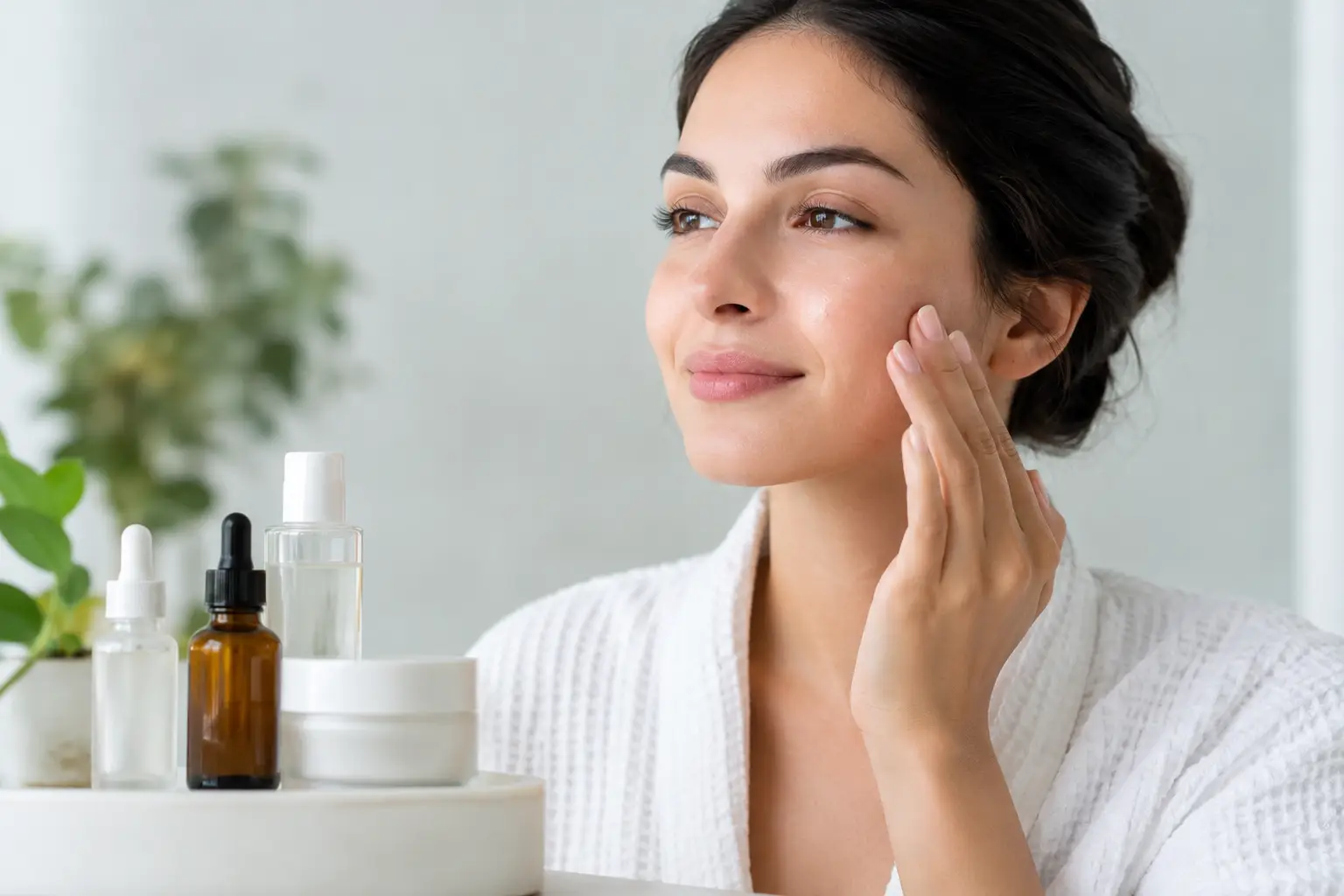
Guide to Facial Acid Layering Without Irritation
A glowing routine can turn uncomfortable quickly when every bottle promises smoother, brighter skin. This guide to facial acid layering helps you use exfoliating ingredients with more confidence, so your skincare supports your goals without leaving your complexion tight, stinging, or unexpectedly reactive.
Facial acids can be exceptionally helpful for concerns such as clogged pores, uneven texture, post-breakout marks, dullness, and fine lines. But more exfoliation is not the same as better exfoliation. The right routine depends on your skin type, current concerns, product formulas, and how your skin responds over time.
Start With What Each Facial Acid Does
The word “acid” can sound intimidating, but skincare acids are simply ingredients used at carefully controlled levels to encourage exfoliation, hydration, or clearer pores. Their benefits vary based on the type of acid, concentration, pH, and how often you use it.
Alpha hydroxy acids, often called AHAs, work mainly on the skin’s surface. Glycolic acid can be useful for texture and visible signs of sun damage, while lactic acid is often a gentler choice for someone who wants surface exfoliation with a more hydrating feel. Mandelic acid has a larger molecular size and may be a more comfortable starting point for some sensitive or acne-prone skin types.
Beta hydroxy acid, or BHA, usually refers to salicylic acid. Because it is oil-soluble, it can work inside pores and is often a smart option for blackheads, congestion, and breakouts. It can still be drying, particularly when paired with strong acne treatments.
Polyhydroxy acids, including gluconolactone and lactobionic acid, are generally gentler exfoliating options. They may suit clients who are easing into acid use or whose skin is prone to sensitivity. They are not automatically right for every sensitive complexion, but they can be a thoughtful place to begin.
Hyaluronic acid belongs in a different category. It is a hydrator, not an exfoliant. You can comfortably layer it with AHAs, BHAs, and most other skincare ingredients to help the skin hold onto water.
The Core Rule of Facial Acid Layering
When people ask how to layer acids, the safest answer is often surprisingly simple: choose one primary exfoliating acid per routine.
Layering a glycolic toner, a salicylic serum, and an exfoliating peel pad may sound like a fast path to polished skin. In reality, it can overwhelm the skin barrier. The result may be redness, flaking, burning, rough patches, breakouts, or a shiny yet dehydrated appearance that is easily mistaken for glow.
This does not mean you can never use more than one acid. Some professionally formulated products combine AHAs and BHAs at levels intended to work together. The difference is that the formula has been designed and tested as a whole. Mixing several separate active products at home gives you far less control over the total exfoliating load.
For most routines, use one leave-on exfoliating product, then follow it with calming hydration and moisturizer. That approach is effective, easier to monitor, and much kinder to your skin.
Layer by Texture, Not by Strength
After cleansing, apply products from thinnest to thickest texture. A liquid exfoliating toner typically comes before a water-based serum, followed by a moisturizer. If you use hyaluronic acid, it can go after your exfoliating step on slightly damp skin, then be sealed in with moisturizer.
You do not need to wait 20 or 30 minutes between layers. Let each product settle for a moment, then move on. More waiting does not make an acid work harder, and a complicated routine is harder to maintain consistently.
A Practical Guide to Facial Acid Layering at Night
Nighttime is usually the best time for exfoliating acids because your skin can rest afterward and you are less likely to add makeup or sweat to the equation. Begin with a gentle cleanser that does not leave your face feeling squeaky-clean.
Apply your chosen AHA, BHA, or PHA according to the product directions. Next, add a hydrating serum if desired, then use a nourishing moisturizer. If your skin tends to become dry around the mouth, nose, or eyes, you can apply a thin layer of moisturizer to those delicate areas before your acid product to create a little buffer.
Start with one or two nights per week. If your skin stays comfortable for several weeks, you may gradually increase frequency. Some people tolerate exfoliation every other night, while others get beautiful results from once-weekly use. Your skin does not need to follow someone else’s schedule.
The morning after an acid night, use a gentle cleanser or rinse, moisturizer, and broad-spectrum sunscreen. Daily sunscreen is essential because exfoliated skin can be more vulnerable to sun sensitivity, and unprotected sun exposure can worsen discoloration you are trying to fade.
Ingredients to Separate, Especially at First
Retinoids are not acids, but they can increase cell turnover and may be irritating when used alongside exfoliating acids. Rather than layering them in the same evening, alternate nights. For example, use salicylic acid on Tuesday and Friday, a retinoid on Wednesday and Sunday, and focus on hydration on the remaining nights.
Be cautious with benzoyl peroxide, prescription acne medications, scrubs, cleansing brushes, and at-home peel products. Combining multiple exfoliating or drying treatments can trigger inflammation, even if each product seems mild on its own.
Vitamin C requires a more individualized approach. Some people tolerate a vitamin C serum in the morning and an AHA or BHA at night with no issue. If you are new to active ingredients, however, start by introducing one product at a time. This makes it much easier to identify what your skin loves and what it does not.
Your Skin Barrier Gets the Final Say
A little temporary tingling can happen with certain acid products, especially when you are new to them. Burning, persistent redness, swelling, itching, peeling, or tenderness are not signs that the product is “working.” They are signs to stop, simplify your routine, and let your barrier recover.
During a recovery period, use a gentle cleanser, bland moisturizer, and sunscreen. Skip exfoliating acids, retinoids, scrubs, and strong acne spot treatments until your skin feels calm again. If you develop significant swelling, rash-like irritation, or symptoms that do not improve, consult a qualified medical professional.
People managing rosacea, eczema, melasma, highly reactive skin, or active inflammatory acne should be especially cautious with at-home acids. The same applies after waxing, laser hair removal, or certain in-clinic treatments. Your provider can advise when it is appropriate to pause and restart active skincare.
When Professional Exfoliation Makes More Sense
At-home products are valuable for maintenance, but they are not a substitute for a personalized assessment when concerns are persistent or more complex. A professional facial or chemical peel can be selected based on your skin tone, sensitivity, acne history, pigmentation concerns, and desired downtime.
This matters because stronger is not always better, particularly for skin that is prone to post-inflammatory hyperpigmentation. A carefully planned treatment series, paired with a simple home routine, often creates more visible and sustainable improvement than rotating through several strong products at once.
At JFU Wellness Beauty, personalized skincare guidance can help you connect concerns like acne, texture, fine lines, or discoloration with a treatment plan that respects your skin’s needs and your comfort level.
The most effective acid routine is the one your skin can tolerate consistently. Choose one exfoliating step, protect your barrier, wear sunscreen faithfully, and give your complexion enough time to show you what steady, thoughtful care can do.

Leave a Reply