
Can Chemical Peels Shrink Pores? What to Expect
If enlarged pores make your foundation settle unevenly or leave your skin looking textured by midday, you have probably asked: can chemical peels shrink pores? The honest answer is that a peel cannot permanently change the physical size of your pores. It can, however, make them look noticeably smaller by clearing buildup, balancing surface oil, smoothing texture, and supporting healthier collagen over time.
For many clients, that visible refinement is exactly the result they want. A personalized chemical peel can help your complexion look clearer, smoother, and more polished without surgery or extensive downtime.
Can Chemical Peels Shrink Pores or Just Improve Their Appearance?
Pores are tiny openings in the skin that release oil and sweat. Their baseline size is influenced by genetics, skin type, oil production, sun exposure, and the loss of firmness that naturally occurs with age. You cannot erase pores, and any treatment promising to make them disappear permanently is setting an unrealistic expectation.
What chemical peels can do is address the factors that make pores more visible. When dead skin cells, excess oil, makeup, and debris collect around a pore, its opening can appear wider. Acne congestion can make this effect even more noticeable. By exfoliating the upper layers of skin in a controlled way, a peel helps clear that buildup and creates a smoother surface that reflects light more evenly.
Some peels also encourage cell turnover and collagen support. Over a series of treatments, improved skin texture and firmness may make pores appear tighter, particularly around the nose, cheeks, chin, and forehead. Results are visible, but they are about refinement rather than a permanent change to your skin’s anatomy.
Why Pores May Look Larger
Understanding the cause of enlarged-looking pores helps determine whether a chemical peel is the right choice. Oily or combination skin often has more visible pores because oil can stretch the pore opening. Blackheads and recurring breakouts add congestion, while sun damage and age-related collagen loss can reduce the skin’s natural support around each pore.
Dehydrated skin can be part of the picture, too. It may feel dry on the surface while producing extra oil in response, leaving texture looking more pronounced. Aggressive scrubbing, pore strips, and overusing strong acne products can irritate the skin barrier and make redness and texture stand out rather than improve.
That is why a personalized approach matters. The best peel for oily, acne-prone skin is not always the best peel for dry, sensitive, rosacea-prone, or deeper skin tones that are more susceptible to post-inflammatory hyperpigmentation.
How Chemical Peels Help Refine Pore Appearance
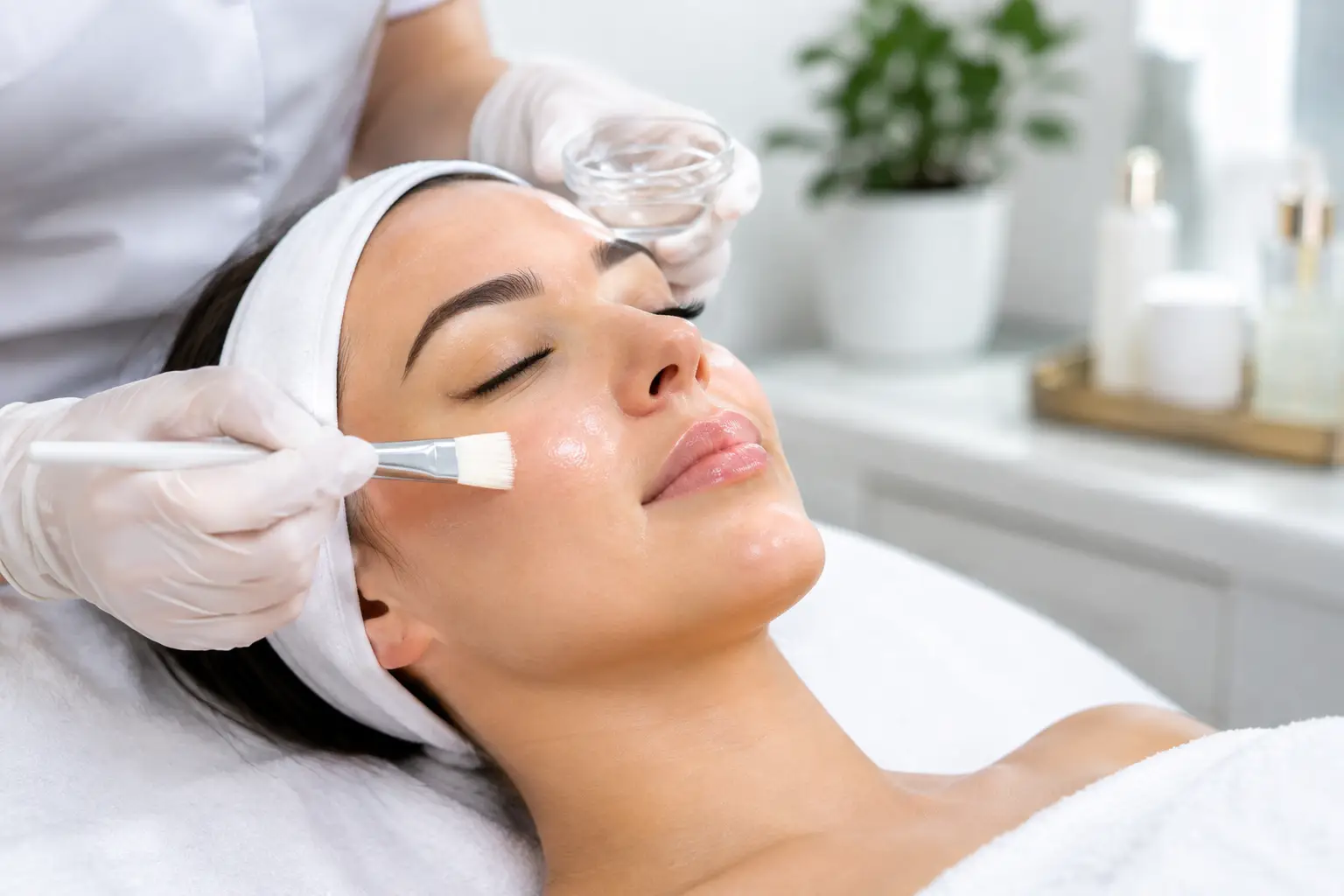
Chemical peels use carefully selected acids or enzymes to exfoliate the skin at different depths. At JFU Wellness Beauty, treatment selection should begin with an assessment of your skin goals, sensitivities, current routine, and lifestyle, not with a one-size-fits-all peel.
Superficial peels for congestion and dullness
Light or superficial peels work mainly on the outermost layer of the skin. They are often a good starting point for clients concerned with mild congestion, excess oil, dullness, uneven texture, and the first signs of visible pores. Depending on the formula, common exfoliating ingredients may include salicylic acid, glycolic acid, lactic acid, mandelic acid, or gentle fruit enzymes.
Salicylic acid is oil-soluble, meaning it can be especially helpful for skin prone to blackheads and clogged pores. Glycolic acid can smooth rough surface texture and support brightness. Lactic and mandelic acids are often considered when a gentler approach is appropriate, although every formula and skin response is different.
After a light peel, some clients experience mild tightness, dryness, or flaking for several days. Others may see little visible peeling at all. Visible shedding is not the only sign that a peel is working.
Medium-depth treatments for more pronounced texture
A deeper peel may be considered for more established texture concerns, acne scarring, pigment irregularities, or signs of photoaging. These treatments require more careful planning and can involve a longer recovery period. They are not automatically better for pores, and they are not appropriate for everyone.
The goal is always to choose the least aggressive treatment that can safely support meaningful improvement. A series of properly spaced superficial peels, paired with a consistent home routine, may give more predictable and comfortable results than one overly strong treatment.
When Will You See Results?
Skin can look brighter and feel smoother within days of a chemical peel. Pore appearance may improve after one treatment, especially if congestion and surface buildup were major concerns. More lasting texture refinement usually takes consistency.
Many clients benefit from a series of treatments spaced several weeks apart, followed by maintenance visits based on oil production, acne activity, sun exposure, and individual goals. Your provider can recommend a schedule that respects your skin’s recovery time instead of pushing it too quickly.
Results also depend on what is causing your pores to look enlarged. If blackheads and oil are the main issue, improvement may appear relatively quickly. If laxity and sun-related collagen loss are larger contributors, a peel may be only one part of a broader skin-rejuvenation plan. Treatments such as RF skin tightening or cold plasma therapy may be discussed when appropriate for your goals and skin condition.
Who Should Be Careful With Chemical Peels?
Chemical peels can be adapted for many skin types, but safe treatment requires an honest consultation. Let your provider know if you are pregnant or breastfeeding, have active cold sores, eczema, psoriasis, open lesions, a recent sunburn, or a history of unusual scarring. Also share all prescription and over-the-counter products you use, especially retinoids, exfoliating acids, and acne medications.
People with deeper skin tones can absolutely receive chemical peels, but formulation, strength, skin preparation, and aftercare should be selected carefully. An overly aggressive peel can trigger inflammation or discoloration. Professional guidance is particularly valuable if you have melasma, post-acne marks, or a history of hyperpigmentation.
If you are using isotretinoin or have recently completed a course, ask your prescribing clinician and aesthetic provider about timing before pursuing a peel. The same goes for recent laser treatments, waxing, or other procedures that may leave the skin temporarily sensitive.
Make Your Peel Results Last Longer
A chemical peel is a treatment, not a replacement for daily skin care. The most visible pore-refining results tend to last when you protect the skin barrier between appointments.
Use a gentle cleanser, a non-comedogenic moisturizer, and broad-spectrum sunscreen every morning. Daily sun protection is essential because UV exposure can worsen texture, pigment concerns, and collagen breakdown. If your provider recommends a retinoid, salicylic acid product, or other active ingredient for home use, introduce it exactly as directed instead of layering multiple strong products at once.
Avoid picking at flakes or blemishes after a peel. Resist exfoliating scrubs, cleansing brushes, hot yoga, steam rooms, and intense workouts for the period your provider recommends. These habits can increase irritation when your skin is already in a renewal phase.
Is a Chemical Peel Worth It for Large Pores?
A chemical peel can be a worthwhile option when your pores look larger because of oil, blackheads, uneven texture, dullness, or early loss of skin smoothness. It is not a magic pore eraser, but it can deliver the softer, clearer, more refined look that many people are seeking.
The right plan starts with your skin rather than a trend. A thoughtful consultation can help you choose a peel strength and treatment schedule that supports natural-looking improvement, protects your skin barrier, and gives you confidence each time you look in the mirror.

Leave a Reply