

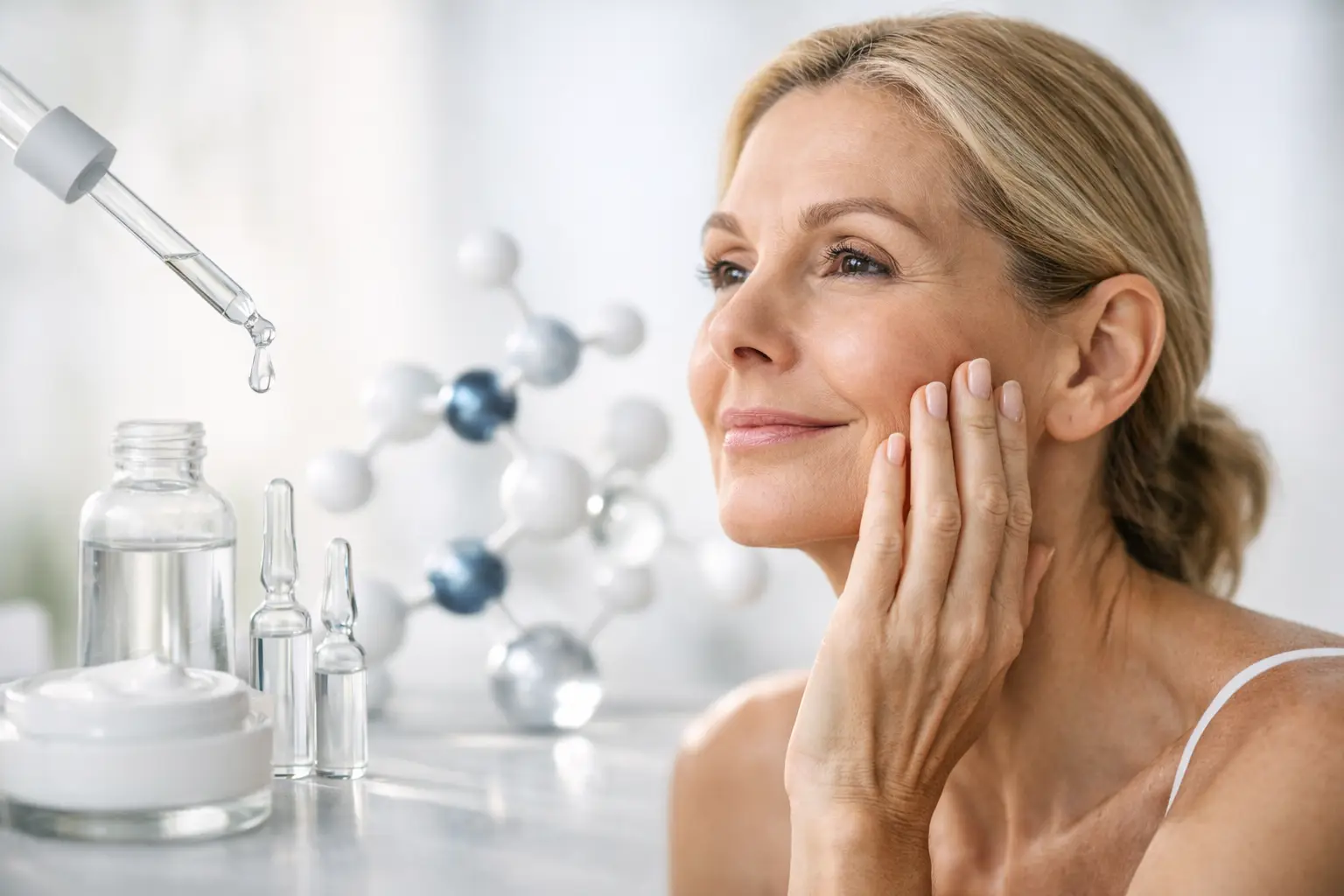
Peptides for Anti Aging Skin: Do They Work?
If your skin suddenly looks a little less bouncy, a little less smooth, or a little more tired than it used to, peptides for anti aging skin are often one of the first ingredients worth paying attention to. They show up in serums, moisturizers, eye creams, and even professional treatment plans because they support the skin rather than forcing dramatic change. For many people, that makes them a smart fit for long-term, natural-looking skin maintenance.
What peptides for anti aging skin actually do
Peptides are short chains of amino acids, which are the building blocks of proteins. In skincare, they are used because they can help support proteins your skin already relies on, especially collagen and elastin. Those proteins play a major role in firmness, resilience, and smooth texture.
As skin ages, collagen production slows down. That does not happen overnight, and it usually does not show up as just one concern. Fine lines, dullness, thinning skin, rough texture, and a loss of firmness often happen gradually. Peptides are popular because they are designed to support the skin’s natural repair processes during that shift.
That does not mean every peptide product works the same way. Some are used to help improve hydration and barrier function. Others are marketed to help soften the look of expression lines or improve firmness. The category is broad, which is why results can vary depending on the formula, the concentration, and what else is included in the product.
Why peptides are so appealing for aging skin
One reason peptides stand out is that they tend to be gentler than more aggressive active ingredients. If you have ever tried a strong retinoid or acid and ended up red, flaky, or uncomfortable, peptides may feel much easier to live with. They are often included in routines meant to strengthen the skin over time without creating a harsh adjustment period.
That matters for people who want visible improvement but still want their skin to look like their skin – just healthier, smoother, and more refreshed. It also matters for people with mature, dry, or sensitive skin, where overdoing active ingredients can make aging concerns look worse instead of better.
Still, gentle does not always mean fast. Peptides are usually part of a steady, cumulative approach. If someone expects instant lifting from a cream alone, they may be disappointed. If they want support, maintenance, and a better environment for healthier-looking skin, peptides make more sense.
The most common benefits people notice
With consistent use, peptide-based skincare may help improve how skin feels and how it reflects light. Many people notice better hydration first, then smoother texture, and then a more rested overall appearance. Fine lines can appear softer, especially when dryness is part of the problem.
In some formulas, peptides are paired with humectants, ceramides, antioxidants, or growth-supporting ingredients that make the skin feel stronger and calmer. This can be especially helpful when the skin barrier is stressed from age, weather, over-exfoliation, or cosmetic procedures.
That said, peptides are not a replacement for everything. They cannot do the same job as sunscreen, and they will not create the same result as neuromodulators, skin tightening, or collagen-stimulating treatments. They are best understood as part of a layered plan, not a miracle in a bottle.
How to choose peptides for anti aging skin
The label matters. A product that simply says it contains peptides is not automatically impressive. Formula quality, packaging, and supporting ingredients all affect performance.
Look for a product that identifies specific peptides rather than using vague marketing language. You may see ingredients such as palmitoyl pentapeptide, copper peptides, acetyl hexapeptide, or palmitoyl tripeptide listed on the ingredient panel. You do not need to memorize every name, but it helps to know the brand is being specific.
Texture matters too. A peptide serum may work well if you want to layer products and keep the routine light. A peptide moisturizer may be a better fit if your skin is dry or you want one simple evening product. Eye-area formulas can also be useful when crepey texture and dehydration are more noticeable around the eyes.
Packaging should protect the formula. Airless pumps and opaque containers are usually better than jars, especially if the product includes other ingredients that are less stable. And as always, the best product is not the one with the most hype. It is the one your skin will tolerate and that you will actually use consistently.
What to pair with peptides and what to watch
Peptides usually fit well into a balanced skincare routine. They often work nicely with hyaluronic acid, ceramides, niacinamide, and many antioxidant ingredients. They are also commonly used alongside retinoids to help support the skin and reduce the feeling that your routine is too aggressive.
Where people get confused is thinking more actives always means better results. If your skin is already irritated, layering exfoliating acids, retinoids, vitamin C, and multiple treatment serums can backfire. Inflamed skin rarely looks youthful. It usually looks shiny, uneven, dry, and reactive.
Some people also ask whether peptides can be used after treatments. Often, yes, but it depends on the treatment and the condition of the skin barrier. After procedures like chemical peels, RF tightening, or other professional services, your provider may recommend a simplified routine first. The goal is to support healing, not to overload the skin.
Who is a good candidate for peptide skincare
Peptides can be a good fit for a wide range of people. If you are starting to notice early fine lines in your late 20s or 30s, they can be a smart preventative support ingredient. If you are in your 40s, 50s, or beyond and dealing with visible firmness loss, they can be part of a maintenance routine that helps your skin feel more resilient.
They are also useful for people who want anti-aging support but do not tolerate stronger ingredients well. Sensitive skin, post-treatment skin, and skin that tends to become dry easily may all benefit from a peptide-focused approach.
But it depends on your goals. If the main concern is deep wrinkles, sagging, or a major loss of elasticity, skincare alone may not be enough. That is where in-clinic treatments can make a real difference. Professional services can target structural changes in ways that topical products cannot.
When skincare works best with professional treatments
This is where expectations matter. A good peptide serum can support smoother, healthier-looking skin, but it will not tighten laxity the way RF skin tightening can. It will not relax expression lines the way Botox or Xeomin can. And it will not resurface texture or discoloration the same way a customized chemical peel or advanced facial treatment can.
For many clients, the most effective path is a combination approach. Home care maintains daily skin health, while in-office treatments address deeper concerns more efficiently. That combination often creates the natural-looking improvement people actually want – fresher skin, better tone, softer lines, and more confidence without looking overdone.
At JFU Wellness Beauty, that kind of personalized strategy is especially valuable because not every client needs the same level of treatment. Some need simple barrier support and ingredient guidance. Others are ready for more advanced services that can complement their skincare and help them get to their goals faster.
How long peptides take to show results
Peptides are not overnight ingredients. Most people need at least several weeks of consistent use to notice a real difference, and a few months is more realistic if the goal is visible improvement in firmness or fine lines. Skin changes slowly, especially when you are trying to improve quality rather than create temporary surface effects.
That does not mean you are waiting with nothing happening. Early benefits like better hydration, softer texture, and a calmer skin feel often show up sooner. The longer-term changes depend on regular use, a healthy skin barrier, and whether the rest of your routine supports your goals.
Sunscreen is still non-negotiable. If UV exposure is breaking down collagen faster than your skincare can support it, progress will be limited. Peptides can help, but they cannot compete with ongoing sun damage.
Are peptides worth it?
For many people, yes – especially if you want a supportive anti-aging ingredient that fits into a realistic routine. Peptides are rarely the flashiest product in skincare, but they have a strong reputation for a reason. They align well with a healthier, steadier approach to skin aging, one that focuses on maintenance, resilience, and visible improvement over time.
The best results usually come from matching the product to your skin, using it consistently, and knowing when topical care needs backup from professional treatment. That is the difference between buying random products and building a plan that actually serves your skin.
If your goal is skin that looks smoother, stronger, and naturally refreshed, peptides are a worthwhile place to start – and an even better place to stay consistent.

Leave a Reply