

How to Prevent Ingrown Hairs for Smoother Skin
A close shave or freshly waxed bikini line can feel like a confidence boost – until tender bumps, dark marks, or trapped hairs appear a few days later. Learning how to prevent ingrown hairs is less about finding one miracle product and more about treating your skin with the right preparation, technique, and aftercare for its needs.
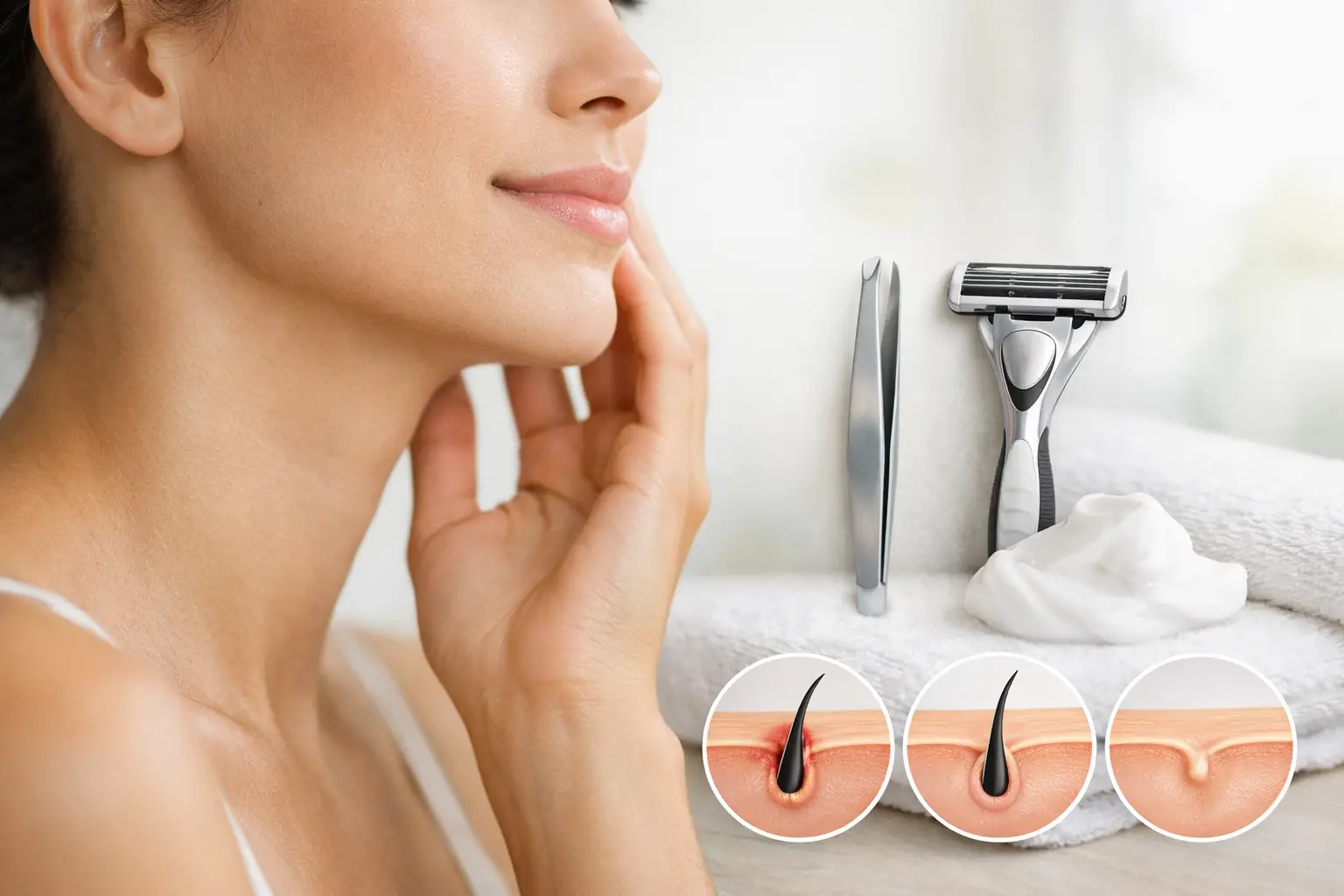
Ingrown hairs happen when a hair grows back into the skin instead of rising through the surface. The result can look like a small pimple, a red bump, or a darker spot that lingers after inflammation fades. They are especially common on the bikini area, underarms, legs, face, and neck, where hair is coarse, curly, or frequently removed.
Why Ingrown Hairs Keep Coming Back
Hair removal creates the perfect conditions for an ingrown hair when it is paired with friction, dry skin, clogged follicles, or a very close cut. Curly and coily hair is naturally more likely to curve back toward the skin as it grows. That is a normal hair pattern, not a sign that you are doing anything wrong.
Shaving against the direction of growth can cut hair below the skin’s surface. Waxing, tweezing, and epilating can also create irritation around the follicle, particularly if the skin is not exfoliated or soothed afterward. Tight leggings, synthetic underwear, sweat, and repeated rubbing may make those irritated follicles more likely to become inflamed.
For some people, a few minor bumps are occasional. For others, ingrown hairs become a cycle of irritation, picking, discoloration, and uneven texture. The best prevention plan depends on your hair type, skin sensitivity, and preferred method of hair removal.
How to Prevent Ingrown Hairs Before Hair Removal
Prevention starts before the razor, wax, or appointment. Healthy skin sheds dead cells naturally, but buildup at the follicle opening can trap a new hair before it has a chance to break through the surface.
Exfoliate gently and consistently
Gentle exfoliation helps keep follicle openings clear. For body areas prone to bumps, a chemical exfoliant containing salicylic acid, glycolic acid, or lactic acid can be more effective and less abrasive than a rough scrub. Salicylic acid is oil-soluble and can be particularly helpful for congested follicles, while lactic acid is often a comfortable option for dry or sensitive skin.
Use exfoliating products as directed rather than applying them aggressively every day. Over-exfoliating can weaken the skin barrier, causing stinging, peeling, and more inflammation – the opposite of what you want before hair removal. If you are new to acids or have reactive skin, start two or three times weekly and watch how your skin responds.
Physical exfoliation can work for some people, but choose a soft washcloth or gentle exfoliating mitt and use light pressure. Skip harsh scrubs with sharp particles, especially on the bikini line or underarms.
Soften hair and skin first
Shaving dry skin invites friction and uneven cutting. Shave after several minutes in a warm shower, when hair is softened and the skin is clean. Apply a fragrance-free shaving gel or cream that gives the razor enough slip to move without dragging.
If you are prone to irritation, avoid heavily fragranced products and formulas with high amounts of alcohol. A smooth glide matters more than a strong scent or foamy lather.
Use a clean, sharp razor
A dull razor pulls at hair instead of cutting it cleanly, increasing irritation and the chance of hair snapping below the surface. Rinse your blade thoroughly during use, replace it regularly, and store it somewhere dry between shaves. A razor left in a damp shower can collect residue and bacteria more easily.
More blades do not automatically mean better results. Multi-blade razors can create a very close shave, but they may also cut hair beneath the skin surface in clients who are highly prone to ingrowns. A single-blade or sensitive-skin razor may be a better fit. It depends on your hair texture and how your skin behaves after shaving.
Shave in a Way That Respects Your Skin
The technique you use can make a noticeable difference. Shave in the direction the hair grows, using short, light strokes without pressing down. This may not deliver the ultra-close feel of shaving against the grain, but it reduces the risk of cutting hairs too short and irritating the follicle.
Try not to pass over the same area repeatedly. If a spot needs another pass, add more shaving gel first. Rinse with cool or lukewarm water afterward, then gently pat the area dry instead of rubbing with a towel.
A simple, fragrance-free moisturizer can help restore comfort after shaving. If you use a targeted ingrown-hair serum, introduce it slowly and avoid applying it immediately after shaving if your skin tends to sting. Waiting until the next day can be gentler for sensitive areas.
Give Waxed and Tweezed Skin Time to Recover
Waxing removes hair from the root, so the skin can be temporarily more sensitive and the follicle needs time to settle. For the first 24 to 48 hours, avoid hot baths, saunas, intense workouts, heavily fragranced body products, and tight clothing around the treated area. Heat, sweat, and friction can aggravate freshly waxed skin.
After that initial recovery window, resume gentle exfoliation to help new hairs grow through the skin normally. Do not pick at hairs that seem trapped. Digging with tweezers or fingernails can introduce bacteria, worsen inflammation, and leave discoloration or scarring.
If you regularly wax, timing matters. Hair should be long enough for wax to grip effectively, but not so long that removal becomes unnecessarily traumatic. A trained professional can help you set a schedule that suits your growth pattern.
Reduce Friction Between Hair Removal Sessions
The small daily choices after hair removal matter. Wear breathable underwear and looser clothing when possible, especially after shaving or waxing the bikini area. Change out of sweaty workout clothes promptly, and choose gentle, non-irritating cleansers for sensitive body areas.
Moisturizing is not optional if your skin is dry or easily roughened. Well-hydrated skin is more flexible and less likely to hold onto dead surface cells around the follicle. Look for a body moisturizer that supports the skin barrier without leaving a heavy, pore-clogging feel.
If dark spots remain after bumps heal, resist the urge to scrub harder. Post-inflammatory hyperpigmentation is common, particularly in deeper skin tones, and aggressive treatments can prolong it. Consistent sun protection on exposed areas and a personalized plan for discoloration can help skin look more even over time.
Consider Laser Hair Removal for Repeated Ingrowns
When shaving or waxing repeatedly triggers ingrown hairs, laser hair removal may offer a longer-term way to reduce the cycle. By targeting the hair follicle during its growth phase, laser treatments can reduce the amount and thickness of hair that returns. Fewer hairs to remove often means fewer opportunities for trapped hairs, razor bumps, and irritation.
Laser hair removal is not a one-visit solution. Hair grows in cycles, which is why a series of treatments is usually recommended. Results vary based on hair color, hair density, hormonal factors, and the technology used. A consultation is the right time to discuss your skin tone, medical history, treatment area, and expectations for maintenance.
At JFU Wellness Beauty in Houston, a personalized laser hair removal plan can be a thoughtful option for clients who want smoother skin with less frequent shaving and less irritation. The goal is not to change who you are – it is to make your self-care routine more comfortable and confidence-building.
When an Ingrown Hair Needs Professional Attention
Most mild ingrown hairs improve with time, reduced friction, and gentle care. However, painful lumps, spreading redness, warmth, drainage, fever, or frequent scarring deserve medical evaluation. These signs can point to infection or another skin condition that should not be treated with at-home squeezing or digging.
If ingrown hairs are affecting your confidence, a skincare professional can also help you identify whether your current hair-removal method, exfoliation routine, or product choices are contributing to the problem. Sometimes the most effective change is not adding more products. It is choosing a gentler approach that your skin can tolerate consistently.
Your skin does not need to be punished into looking smooth. With a little patience, the right habits, and personalized support when you need it, comfortable, clear-looking skin can become part of your regular routine.

Leave a Reply