
Facial vs Chemical Peel for Your Skin Goals
A glowing complexion is not always about choosing the strongest treatment. Sometimes your skin needs calming hydration and gentle professional care. Other times, it needs a more targeted reset for discoloration, acne, texture, or fine lines. When considering a facial vs chemical peel, the best choice comes down to your current skin condition, your goals, and how much downtime you can comfortably allow.
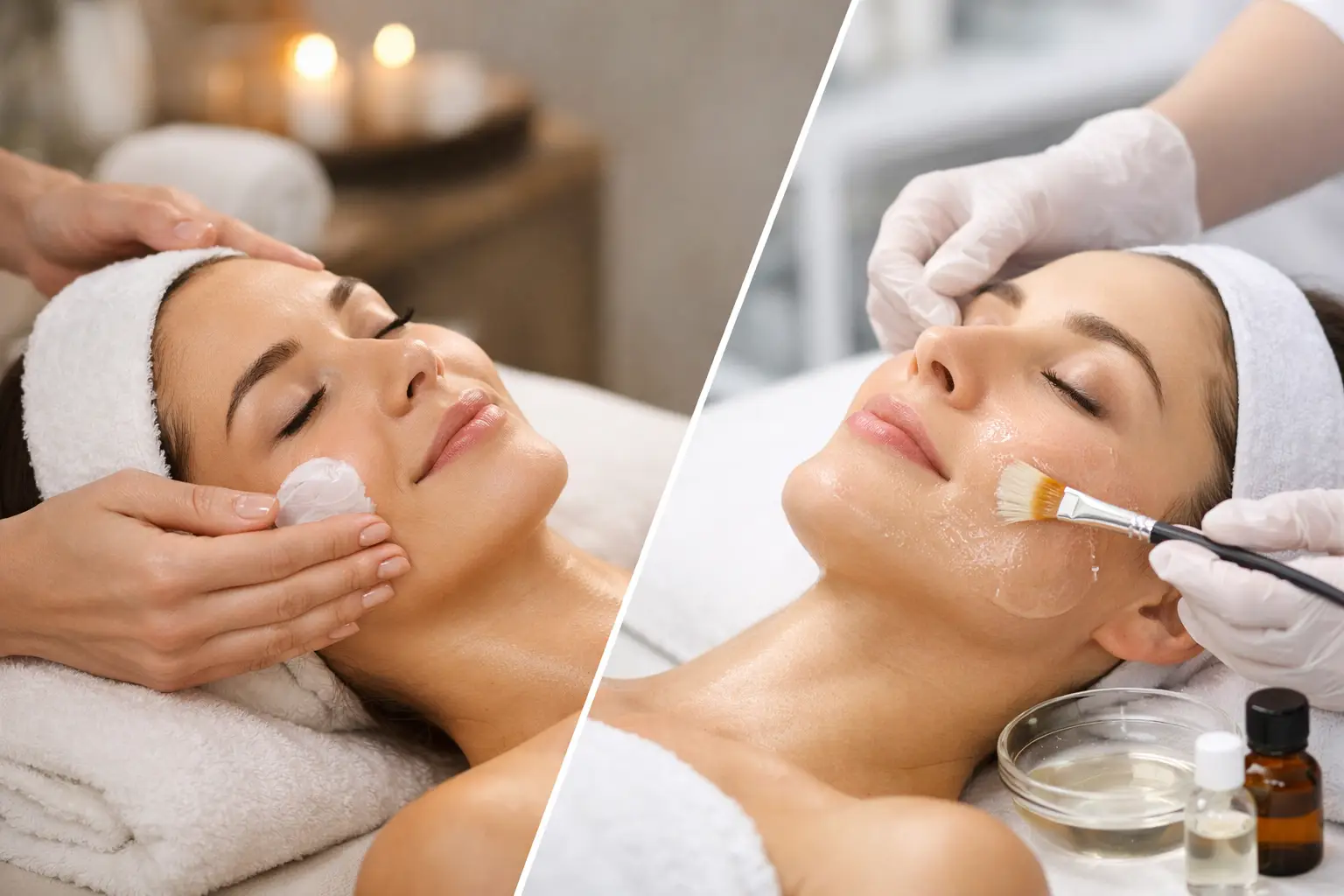
Both treatments can support clearer, healthier-looking skin without surgery. The difference is in how they work. A facial focuses on cleansing, nourishing, and restoring balance, while a chemical peel uses carefully selected exfoliating acids to encourage skin renewal at a deeper level.
Facial vs Chemical Peel: The Main Difference
A professional facial is a customizable skin treatment that typically includes cleansing, exfoliation, extractions when appropriate, massage, masks, and hydration. It is designed to refresh the skin while supporting its protective barrier. Many clients choose facials as part of their regular self-care routine because they are relaxing, adaptable, and usually involve little to no downtime.
A chemical peel is a more active resurfacing treatment. It uses a chemical solution, often containing acids such as glycolic, lactic, salicylic, or trichloroacetic acid, to remove damaged surface cells and stimulate smoother skin renewal. Depending on the peel’s strength and formula, it can address concerns that may not improve as quickly with a standard facial alone.
Neither option is automatically better. A facial may be the right choice for dehydrated, sensitive, dull, or stressed skin. A peel may be a stronger fit when acne marks, sun spots, uneven tone, rough texture, or visible fine lines are your priority.
What a Facial Can Do for Your Skin
A facial is often the ideal starting point for clients who are new to professional skincare or unsure how their skin will respond to more active treatments. Your provider can assess concerns such as dryness, congestion, redness, enlarged pores, and sensitivity before selecting products and techniques that suit your skin.
The immediate benefit is usually a cleaner, softer, more hydrated appearance. Makeup may apply more smoothly, and the skin can look brighter after dull surface buildup is removed. Regular facials can also help keep pores clear, support hydration, and give your provider a close look at changes in your skin over time.
Facials are especially helpful when your skin barrier feels compromised. If your face feels tight, flaky, irritated, or reactive after trying new products, aggressive exfoliation may not be the answer. A gentle facial can replenish moisture and provide a more comfortable foundation for future corrective treatments.
For many people, the wellness element matters too. Facial massage can ease tension in the jaw, forehead, and cheeks while encouraging circulation. You leave with skin that feels cared for, not overwhelmed.
Who May Benefit Most From a Facial
A facial can be a great choice if you want regular maintenance, hydration, pore cleansing, or a refreshed glow before an event. It is also a practical option for clients managing mild congestion or occasional breakouts without significant inflammation.
Because facials can be personalized, they can work well for a wide range of skin types. However, active rosacea flares, severe acne, eczema, recent sunburn, or skin infections should always be discussed before treatment. The safest plan may involve modifying the facial or postponing it until the skin has settled.
What a Chemical Peel Can Do for Your Skin
Chemical peels work by accelerating exfoliation and encouraging newer skin cells to come to the surface. The result can be smoother texture, more even tone, clearer-looking pores, and a brighter overall appearance. With a series of properly selected treatments, peels may also soften the look of post-acne marks, superficial pigmentation, and early signs of aging.
The word “peel” can sound intimidating, but not every chemical peel causes dramatic shedding. Light peels may create only mild dryness or flaking for a few days. Medium-depth peels can involve more visible peeling and longer recovery. The right level depends on your skin tone, concerns, treatment history, and lifestyle.
A professional consultation matters because stronger is not always smarter. Overly aggressive exfoliation can lead to irritation, prolonged redness, or post-inflammatory hyperpigmentation, particularly for deeper skin tones or sensitive skin. A customized approach helps protect the skin while still working toward visible improvement.
Who May Benefit Most From a Chemical Peel
A chemical peel may be worth considering if you are focused on stubborn discoloration, acne-prone skin, acne scarring, uneven texture, fine lines, or sun-related damage. Salicylic acid peels are often used for oily and acne-prone skin, while lactic acid may be a gentler option for dry or sensitive skin. Other peel formulas can be selected for brightening and anti-aging goals.
Timing is also part of the decision. Do not schedule a stronger peel right before a vacation, wedding, photoshoot, or major event unless you have discussed recovery expectations with your provider. Your skin may look temporarily dry, flaky, or more sensitive while it renews.
Downtime, Comfort, and Results
When comparing a facial vs chemical peel, downtime is one of the clearest distinctions. Most facials allow you to return to normal activities right away. You may have slight redness after extractions, but it often fades quickly. Many people schedule a facial during a lunch break or before a weekend plan.
Chemical peels require more aftercare. Light peels may leave you with mild redness, tightness, or flaking, while deeper treatments can cause several days of peeling. During that period, you will need to avoid picking or pulling loose skin, use gentle skincare, and wear broad-spectrum sunscreen consistently.
Results differ as well. A facial often delivers an immediate hydrated glow, though its benefits are best maintained with regular appointments and an effective home routine. Chemical peel results may take several days to appear as the skin completes its renewal process. For pigmentation, acne, and texture concerns, a planned series can provide more noticeable cumulative improvement than a single treatment.
Can You Combine Facials and Chemical Peels?
Yes, but the timing and treatment plan should be personalized. A facial and a chemical peel can complement one another when used thoughtfully. For example, a client may receive regular hydrating or clarifying facials between peel appointments to support skin balance and maintain a healthy-looking glow.
They should not be treated as interchangeable appointments. Skin that has recently been peeled may need hydration and recovery rather than additional exfoliation. Similarly, if you are using prescription retinoids, strong exfoliating products, or acne medications, your provider may ask you to pause certain products before and after a peel.
At JFU Wellness Beauty, treatment planning begins with your skin, not a one-size-fits-all menu. Your provider can help determine whether your complexion would benefit from gentle maintenance, corrective resurfacing, or a combination approach over time.
How to Choose the Right Treatment
Start with the concern you most want to improve. If your priority is relaxation, hydration, cleansing, and ongoing maintenance, a facial is often the natural choice. If you want to target lingering acne marks, uneven pigmentation, rough texture, or fine lines, a chemical peel may offer more focused correction.
Then consider your skin’s current state. Dry, inflamed, sunburned, or highly sensitive skin may need barrier support before it can tolerate a peel. Your provider should also know about recent tanning, waxing, laser treatments, injectables, pregnancy, medications, and your full skincare routine.
Finally, be realistic about recovery and consistency. The best treatment is one that fits your schedule, budget, and comfort level well enough to maintain. Healthy skin rarely comes from one dramatic appointment. It comes from a thoughtful plan, professional guidance, sun protection, and care that respects what your skin needs right now.
Give your skin permission to start where it is. A personalized consultation can turn uncertainty into a treatment plan that feels safe, achievable, and beautifully your own.

Leave a Reply