

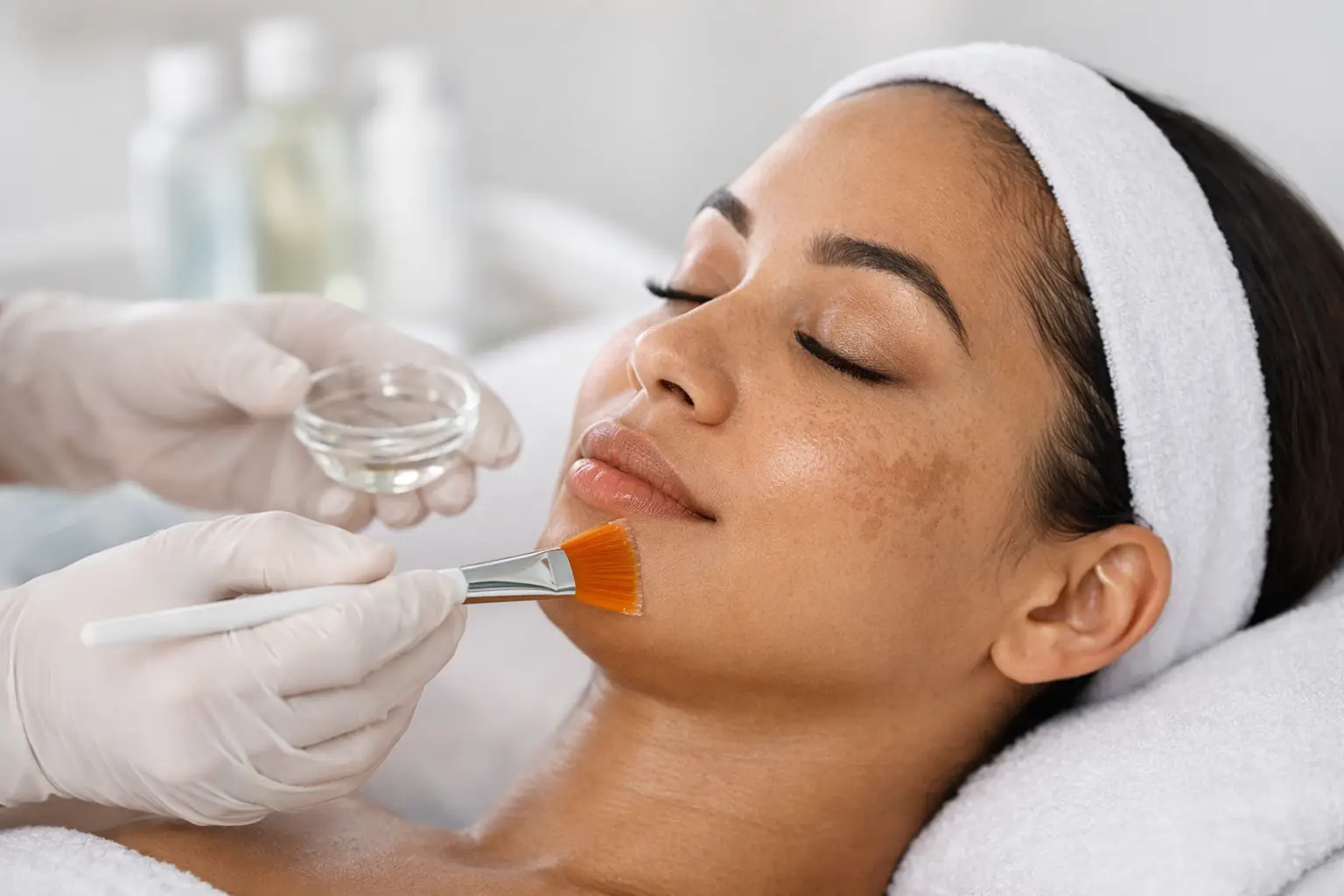
Chemical Peel for Hyperpigmentation: What to Know
If dark spots seem to linger long after a breakout fades, or sun damage has left your skin looking uneven no matter what serum you try, a chemical peel for hyperpigmentation may be the treatment that finally moves the needle. The key is choosing the right peel, at the right strength, for your skin type and pigment pattern – because more aggressive is not always better.
How a chemical peel for hyperpigmentation works
Hyperpigmentation happens when the skin produces excess melanin in certain areas. That extra pigment can show up after acne, from sun exposure, after hormonal shifts, or as part of melasma. A chemical peel helps by removing damaged surface cells and encouraging healthier cell turnover, so discolored skin gradually sheds and fresher, more even-toned skin comes forward.
That sounds simple, but the treatment plan matters. Not every dark spot behaves the same way, and not every peel is appropriate for every skin tone. Some pigmentation sits closer to the surface and responds well to superficial peeling. Other cases are deeper, more stubborn, or more reactive, which means a slower and more customized approach is usually safer and more effective.
What types of pigmentation respond best
A chemical peel can be helpful for several forms of discoloration, but the results depend on the cause.
Post-inflammatory hyperpigmentation, often left behind after acne or skin irritation, is one of the most common concerns treated with peels. These spots often fade well with a series of light to medium treatments, especially when paired with good sunscreen habits and a consistent home routine.
Sun spots and uneven tone from UV exposure can also improve nicely. In these cases, peels help lift dull, damaged skin and smooth patchy discoloration over time.
Melasma is more complicated. It can improve with chemical peels, but it can also flare with heat, irritation, hormones, and sun exposure. That means melasma usually needs a very thoughtful plan rather than a one-time treatment. Gentle, controlled peels are often the safer option, especially for clients with medium to deeper skin tones.
Not all peels do the same job
When people hear “chemical peel,” they often picture one intense treatment and dramatic peeling. In reality, many of the best peels for pigmentation are controlled, progressive treatments designed to improve skin safely over a series of visits.
Superficial peels use milder acids to exfoliate the outermost layer of skin. These are often a strong starting point for uneven tone, mild acne marks, and first-time peel clients. They usually involve less downtime and a lower risk of irritation.
Medium-depth peels reach further and may be recommended for more visible discoloration, texture concerns, or stubborn sun damage. They can produce stronger results, but they also come with more recovery time and a greater need for careful aftercare.
The ingredients matter too. Glycolic acid is often used to brighten and smooth. Lactic acid can be a gentler option for sensitive or dry skin. Salicylic acid may be useful when acne and post-acne marks are both in the picture. Jessner-type blends and other professional formulas may be chosen when multiple concerns overlap.
The best peel is not the strongest one. It is the one that fits your skin condition, tone, history, and tolerance.
Who is a good candidate for a chemical peel for hyperpigmentation
Most healthy adults with uneven tone can be candidates, but a professional consultation is important. Your provider should look at your skin tone, the type of pigmentation, your sensitivity level, your history of acne or melasma, and whether your skin barrier is currently calm and healthy.
This matters even more for darker skin tones. Skin of color can absolutely benefit from peels, but it also has a higher risk of post-inflammatory pigmentation if the treatment is too aggressive or poorly matched. A personalized approach is essential. Safe treatment usually means choosing the correct formula, prepping the skin when needed, and avoiding unnecessary irritation.
You may need to wait or adjust your plan if you are pregnant, using certain prescription topicals, actively breaking out with inflamed acne, dealing with eczema flares, or healing from another procedure. Good providers do not rush past those details. They build around them.
What to expect before, during, and after treatment
Before your peel, you may be asked to pause strong exfoliants, retinoids, or other active products for several days. In some cases, especially with melasma or deeper skin tones, your provider may recommend a prep routine to calm the skin and reduce the chance of rebound pigmentation.
During treatment, the skin is cleansed and the peel solution is applied for a controlled amount of time. You may feel warmth, tingling, or mild stinging, depending on the formula and your skin sensitivity. Most superficial peels are quick and very manageable.
Afterward, your skin may look pink, feel tight, or begin to flake over the next few days. Some clients peel visibly, while others experience more of a dry, sandpapery shedding. Both can be normal. What matters most is resisting the urge to pick, scrub, or speed up the process.
Sun protection is non-negotiable after a peel. Freshly treated skin is more vulnerable to UV damage, and unprotected sun exposure can quickly undo progress. Gentle cleansing, moisturizer, and following your aftercare instructions closely make a real difference in how well the skin heals.
How many peels you may need
This is where expectations need to stay realistic. Hyperpigmentation usually does not clear after one appointment, especially if it has been present for months or years.
Many clients see the best results from a series of treatments spaced several weeks apart. A gradual plan often leads to more even, reliable improvement with less risk than trying to force a dramatic change all at once. You may notice your skin looks brighter after the first peel, but deeper discoloration tends to fade progressively.
Maintenance can also matter. If your pigmentation is tied to sun exposure, acne, or melasma, the skin may need ongoing support. That can include occasional peels, pigment-safe skincare, and daily SPF.
When a peel helps – and when another treatment may be better
Chemical peels are versatile, but they are not the answer for every case. If your pigmentation is very deep, mixed with vascular redness, or tied to ongoing inflammation, your provider may recommend combining a peel with other skin treatments or focusing first on calming the skin.
For some clients, starting with a facial, barrier-repair skincare, or a gentler resurfacing plan is smarter than jumping straight into a stronger peel. That approach may feel slower, but it is often how you get cleaner, safer results.
At JFU Wellness Beauty, this kind of customization is what makes treatment feel supportive rather than one-size-fits-all. The goal is visible improvement that still respects your skin.
Common mistakes that can make pigmentation worse
One of the biggest mistakes is choosing a peel based on social media before understanding your skin. A formula that worked for someone else can trigger irritation, prolonged redness, or new discoloration on more reactive skin.
Another common issue is over-exfoliating at home between appointments. If you are using acids, scrubs, retinoids, and brightening products all at once, your barrier may become inflamed. Inflamed skin is more likely to pigment.
Skipping sunscreen is another major setback. Even the most expertly chosen peel cannot outwork daily UV exposure.
Finally, there is the temptation to treat too aggressively because the spots feel urgent. Hyperpigmentation often improves best with consistency, not force.
Questions to ask before booking
If you are considering a peel, ask what type of pigmentation you have, which peel is being recommended, how much downtime to expect, and whether the treatment is appropriate for your skin tone. It is also reasonable to ask how many sessions are typically needed and what home care should support your results.
Those questions are not extra. They are part of choosing a treatment plan that feels safe, personalized, and worth your investment.
A chemical peel can be a very effective step for brighter, more even skin, but the real difference comes from thoughtful treatment rather than intensity. When your plan is tailored to your skin, steady progress tends to look better, feel better, and last longer.

Leave a Reply