
Blackhead Removal That Clears Pores Safely
That stubborn dark dot on your nose is not a sign that your skin is dirty. Blackhead removal is about clearing a clogged pore without turning a small concern into redness, irritation, dark marks, or a breakout that lasts for weeks. The safest approach respects your skin barrier while addressing the oil, dead skin cells, and buildup that created the blackhead in the first place.
Blackheads are common at every age, including for women who no longer deal with typical teenage acne. They tend to collect around the nose, chin, forehead, chest, and back, where oil production is often higher. With the right home routine and professional support when needed, clearer-looking pores are absolutely an achievable part of ongoing skin maintenance.
What Blackheads Really Are
A blackhead is an open comedone, which means a pore has become blocked with oil and dead skin cells but remains open at the surface. The dark color is not trapped dirt. It develops when the material in the pore is exposed to air and oxidizes.
This distinction matters because harsh scrubbing, aggressive squeezing, or repeatedly washing your face can make the problem worse. When the skin barrier becomes irritated or dehydrated, it may produce more oil to compensate. That can leave pores looking more noticeable and make congestion more persistent.
Genetics, hormonal changes, makeup residue, heavy hair products, sweat, and some skincare formulas can all contribute. Enlarged-looking pores can also become more visible as collagen support changes over time. There is no single cause, which is why a personalized plan is more helpful than copying a viral skincare routine.
Blackhead Removal at Home: What Helps and What Hurts
A consistent, gentle routine can reduce blackheads over time. Start by cleansing morning and night with a formula suited to your skin type. If you wear makeup or water-resistant sunscreen, take time to remove it thoroughly before your evening cleanse. Rubbing harder is not the answer. Gentle, complete cleansing is.
Salicylic acid can be especially helpful for blackhead-prone skin because it is oil-soluble and works within the pore lining. A leave-on salicylic acid product used as directed may help loosen congestion and prevent new buildup. Retinoids can also support smoother cell turnover, though they should be introduced slowly and may not be appropriate during pregnancy or breastfeeding. If you are unsure, ask a qualified medical provider for guidance.
Moisturizer is not optional for oily or congested skin. Choose a lightweight, non-comedogenic formula that helps keep the barrier comfortable. Daily sunscreen matters, too, particularly if you use exfoliating acids or retinoids. It protects skin from discoloration and helps preserve the even, healthy-looking tone you are working toward.
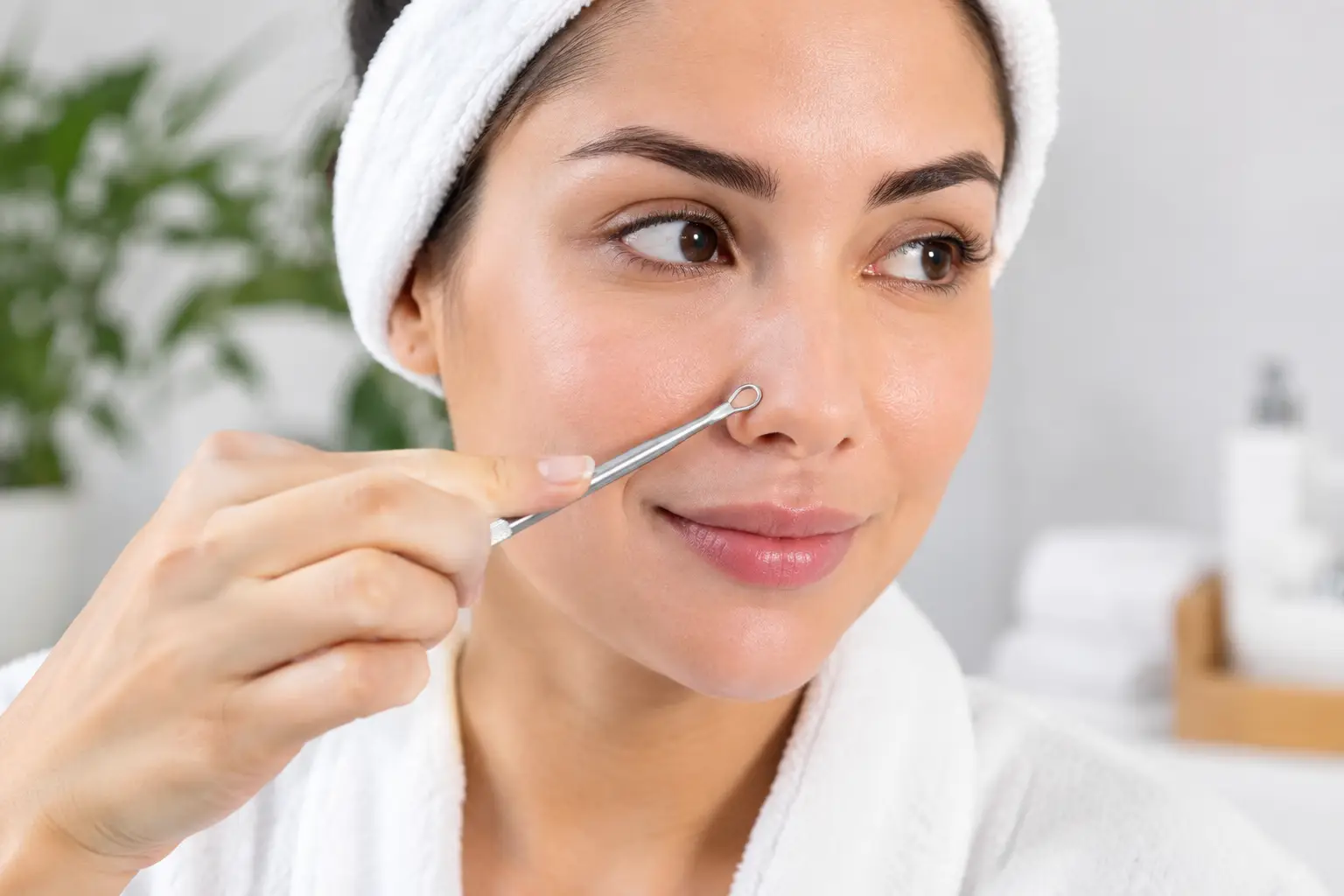
The temptation to squeeze is understandable, especially before an event. Yet using fingernails, metal tools without training, or too much pressure can injure the pore wall. This may cause inflammation, scabbing, infection, or post-inflammatory hyperpigmentation. Those risks can be higher for deeper skin tones that are more prone to visible dark marks after irritation.
Pore strips can create a temporary smooth feeling by lifting surface debris, but they do not address why the pore clogs. Abrasive scrubs, alcohol-heavy toners, and DIY remedies such as lemon juice or baking soda can disrupt the barrier and create unnecessary sensitivity. A short-term fix is not worth trading for a longer recovery period.
When Professional Blackhead Removal Makes Sense
Professional extractions can be a smart option when blackheads are widespread, stubborn, or paired with rough texture and frequent congestion. During an extraction, a trained provider prepares the skin, applies controlled technique, and works selectively rather than trying to force every visible pore clear in one visit.
At JFU Wellness Beauty, a customized facial can be an approachable starting point for clients who want clearer, more refreshed-looking skin without aggressive downtime. The best facial plan depends on your current skin condition, sensitivity, acne activity, hydration level, and goals. For some clients, a gentle cleansing facial with careful extractions is ideal. For others, a series of treatments may be more effective than a single appointment.
Chemical peels may also support blackhead-prone skin by encouraging more even shedding of surface cells and improving the look of texture. The strength, ingredients, and frequency should be chosen thoughtfully. A peel that is too strong for your skin or used too often can lead to dryness and irritation, so professional customization matters.
If you have painful cysts, significant inflammation, scarring, rosacea, eczema, or a sudden change in your breakouts, do not treat it as a routine blackhead issue. A medical evaluation can help identify whether another condition or prescription treatment should be part of your care.
How to Prepare for a Facial or Extraction Appointment
Your results begin before you arrive. For several days before an extraction-focused facial, avoid trying new active products or over-exfoliating in an effort to “prepare” your pores. Skin that is irritated, peeling, or sunburned may not be a good candidate for extractions or exfoliating services that day.
Come to your appointment ready to share what you use at home, including acne medication, retinoids, acids, supplements, and recent treatments. This helps your provider make safe choices for your skin. Mention any history of cold sores, allergies, pigment changes, or sensitivity as well.
Afterward, give your skin time to settle. Mild redness can happen after extractions, particularly in sensitive areas. Keep the routine simple for the next day or two: gentle cleanser, moisturizer, sunscreen, and no picking. Your provider may recommend waiting briefly before restarting active exfoliants, depending on the service performed and how your skin responds.
A Maintenance Plan That Keeps Pores Clearer
Blackhead removal is most successful when it becomes maintenance rather than a one-time rescue mission. The goal is not poreless skin. Pores are a normal, necessary part of healthy skin. The goal is skin that feels balanced, looks smoother, and is less likely to develop recurring congestion.
For many people, that means a thoughtful home regimen paired with periodic professional facials. The right frequency varies. Someone with mild congestion may only need occasional seasonal support, while oily or acne-prone skin may benefit from more regular visits. Lifestyle can matter too. If you exercise often, wear makeup most days, work in a humid environment, or use styling products that touch your forehead, cleansing habits and treatment timing may need adjustment.
Be patient with the process. A new routine usually needs several weeks of consistency before you can fairly judge it, and using more products does not necessarily produce faster results. If your skin feels tight, stings, flakes, or becomes increasingly red, scale back and seek professional guidance rather than pushing through discomfort.
Clearer pores do not require punishment, harsh tools, or a complicated cabinet full of products. They respond best to informed care, gentle consistency, and treatments selected for the skin you have right now. A personalized consultation can turn blackhead removal from a frustrating cycle into a calm, confidence-building part of your self-care routine.

Leave a Reply