

Ultrasound Cavitation vs CoolSculpting: Which Is Better?
A stubborn lower-belly area, thigh fullness, or back contour can feel frustrating even when you are active and eating well. When comparing ultrasound cavitation vs coolsculpting, the right choice is rarely about finding one “best” treatment. It is about choosing the approach that fits your body, comfort level, budget, timeline, and goals for natural-looking body contouring.
Both treatments are non-surgical options designed for small, localized pockets of fat. Neither is a weight-loss procedure, and neither replaces healthy habits. A thoughtful consultation can help you decide whether one of these treatments, or a different approach altogether, makes sense for you.
Ultrasound Cavitation vs CoolSculpting: The Key Difference
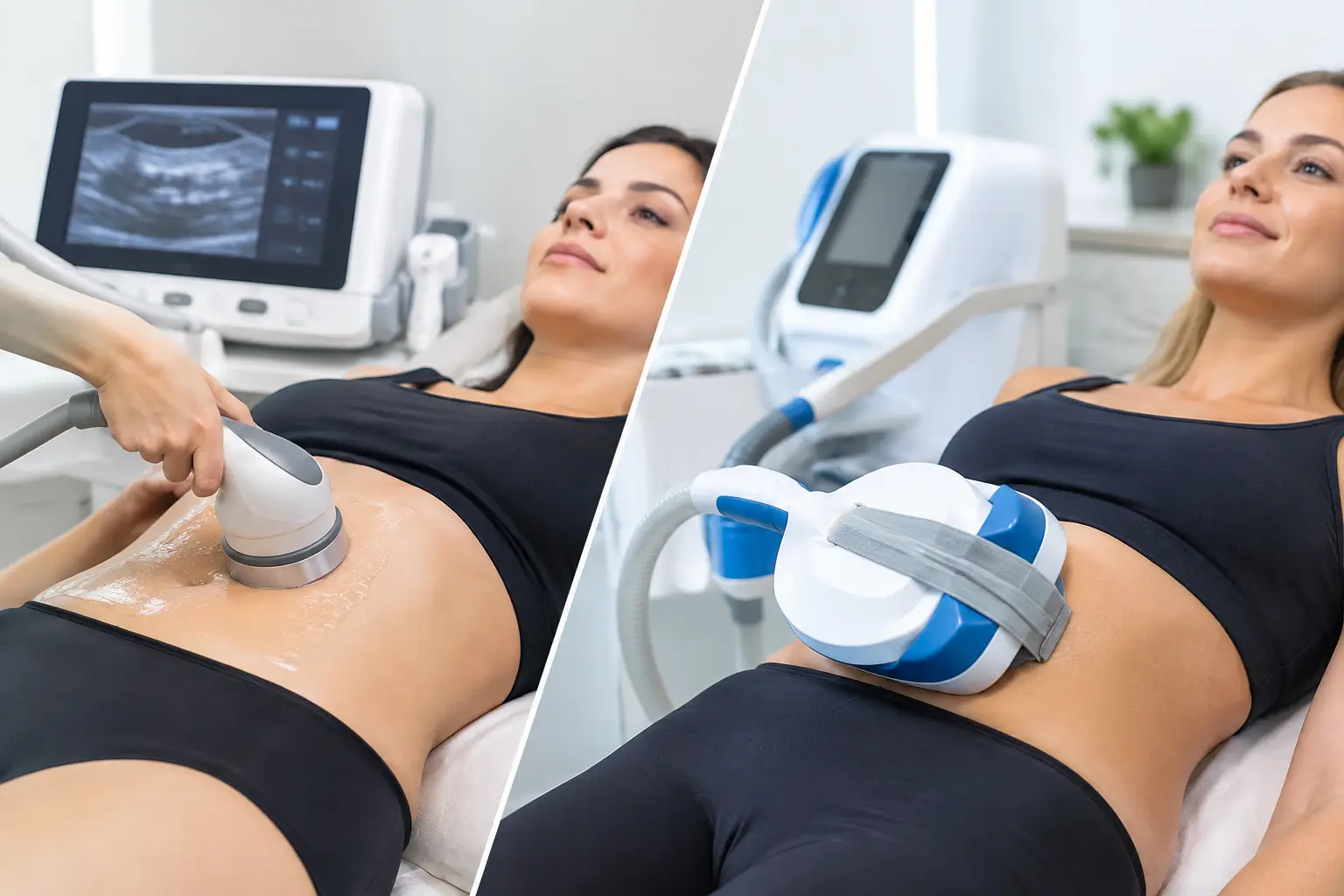
Ultrasound cavitation uses low-frequency ultrasound energy to target fat beneath the skin. The energy creates pressure changes within fat tissue, which may help disrupt fat cells so the body can process their contents naturally over time. Treatments are performed with a handheld device that moves over the selected area, such as the abdomen, flanks, thighs, arms, or back.
CoolSculpting is a brand name for cryolipolysis, a fat-freezing treatment. An applicator uses controlled cooling to target a pinchable area of fat. The cold damages fat cells, which the body gradually clears over the following weeks and months. CoolSculpting is FDA-cleared for specific body areas when performed using appropriate applicators and protocols.
In simple terms, ultrasound cavitation uses sound-wave energy while CoolSculpting uses controlled cold. Both aim to refine contours rather than create dramatic weight loss.
How the Treatment Experience Feels
Comfort matters, especially if you want body treatments to feel like a realistic part of your self-care routine.
Ultrasound cavitation is generally described as comfortable and relaxing. You may feel warmth from the device and hear a faint high-pitched sound during treatment. Sessions often include a massage-like motion over the treatment area. There is typically no downtime, so many clients return to their normal plans immediately afterward.
CoolSculpting begins with a strong pulling or suction sensation as the applicator draws tissue into place. During the first several minutes, intense cold, pressure, tingling, stinging, or cramping can occur before the area becomes numb. Afterward, the area may look red and feel firm, tender, itchy, bruised, or temporarily numb. Some people are comfortable with this trade-off; others prefer a gentler-feeling experience.
Your tolerance for sensation should be part of the decision, not an afterthought. A treatment is easier to commit to when it aligns with what you are comfortable experiencing.
Results and Timing: What Can You Realistically Expect?
With either option, results develop gradually. Your body needs time to respond to the treatment and process affected fat cells. That gradual pace can be appealing for clients who want a subtle change rather than a sudden, obvious transformation.
Ultrasound cavitation is usually performed as a series of appointments. Some clients notice early changes in how an area feels or looks after several sessions, while more visible contour improvement may take multiple treatments and consistent aftercare. Hydration, regular movement, and a balanced nutrition plan can support your overall body-contouring goals, although they do not guarantee a specific result.
CoolSculpting is often planned as one or more treatments per area, depending on the size of the area and the desired reduction. Changes may begin to appear after several weeks, with results commonly continuing to develop over two to three months or longer. More than one cycle may be recommended for certain areas.
Neither treatment can promise a perfectly sculpted waistline or remove all fat from an area. Results vary based on anatomy, the amount and type of fat present, skin elasticity, lifestyle, and the treatment plan. If loose skin is a major concern, a skin-tightening treatment may need to be considered alongside or instead of fat reduction.
Cost and Commitment Are Different
Ultrasound cavitation often has a lower per-session cost than CoolSculpting, but it generally requires a package of sessions to pursue the best outcome. This can make it a more approachable path for someone who prefers to spread treatment over time and monitor progress along the way.
CoolSculpting may cost more upfront because pricing is often based on the number of applicator cycles and treatment areas. One client may need a single small-area treatment, while another may need several cycles to address the abdomen or flanks. Comparing quotes only by total price can be misleading. Ask what areas are included, how many sessions or cycles are recommended, and whether the plan addresses your specific goal.
The most affordable choice is not always the lowest number on a menu. It is the option with a realistic treatment plan, transparent pricing, and an experienced provider who will tell you when a treatment is unlikely to meet your expectations.
Safety Considerations to Discuss Before Treatment
Non-surgical does not mean one-size-fits-all. A qualified provider should review your health history, medications, prior procedures, and body-contouring goals before recommending either option.
Ultrasound cavitation may not be appropriate for clients who are pregnant or nursing, have certain medical conditions, use a pacemaker or implanted electronic device, or have conditions affecting the liver or kidneys. The treatment area also needs to be evaluated for skin concerns, hernias, or other factors that could change the plan.
CoolSculpting is not suitable for everyone either. It should be avoided by people with certain cold-related disorders, including cryoglobulinemia, cold agglutinin disease, or paroxysmal cold hemoglobinuria. Possible side effects include redness, bruising, swelling, tenderness, and temporary numbness. A rare but serious complication called paradoxical adipose hyperplasia can cause the treated fat to enlarge and harden rather than reduce. It may require surgical correction.
This is why consultation quality matters. You deserve clear information about benefits, limitations, expected sensations, and potential risks before you commit.
Who May Prefer Ultrasound Cavitation?
Ultrasound cavitation can be a strong fit for someone seeking a comfortable, non-invasive body-contouring routine with little to no interruption to daily life. It may appeal to clients who prefer a gradual treatment series, want a lower upfront investment, and value the relaxing, hands-on feel of an appointment.
It is particularly worth discussing if your goal is to improve the appearance of mild to moderate fullness in areas such as the abdomen, thighs, arms, or flanks while maintaining a stable weight. It is not intended for significant fat loss or as a substitute for medical weight management.
Who May Prefer CoolSculpting?
CoolSculpting may appeal to people with clearly pinchable, localized fat who prefer a treatment plan with fewer appointments per area. It can be an option for clients willing to accept stronger temporary sensations and a potentially higher price point in exchange for controlled cooling technology.
Still, “fewer sessions” does not automatically mean better for every person. A provider should assess whether the applicator can safely and effectively fit your anatomy, whether your skin quality supports the result you want, and whether you understand the recovery and risk profile.
Choose a Plan That Respects Your Goals
The most successful body-contouring plans start with an honest conversation, not a one-treatment promise. At JFU Wellness Beauty in Houston, a personalized consultation can help you evaluate the treatment area, discuss your comfort preferences, and create a plan focused on refined, natural-looking improvement.
Bring photos or examples of the type of change you hope to see, but stay open to professional guidance. Sometimes the best next step is ultrasound cavitation, sometimes it is another body treatment, and sometimes the right answer is to wait. Feeling confident in your plan is just as valuable as seeing a change in the mirror.

Leave a Reply