
Cold Plasma Therapy for Face: What to Know
If your skin feels stuck in the middle – not bad enough for something aggressive, but not clear, smooth, or calm enough to ignore – cold plasma therapy for face may be the kind of treatment worth paying attention to. It is often chosen by people who want visible improvement in acne, redness, texture, pores, and early signs of aging without harsh downtime or a dramatic change in how they look.
That matters because many facial treatments ask you to choose between comfort and results. Some can be effective but leave skin irritated, flaky, or hard to manage for days. Others feel relaxing in the moment but do very little to create lasting change. Cold plasma sits in a different category. It is designed to support skin renewal, reduce inflammation, and improve overall skin quality while staying gentle enough for a wide range of skin types.
What is cold plasma therapy for face?
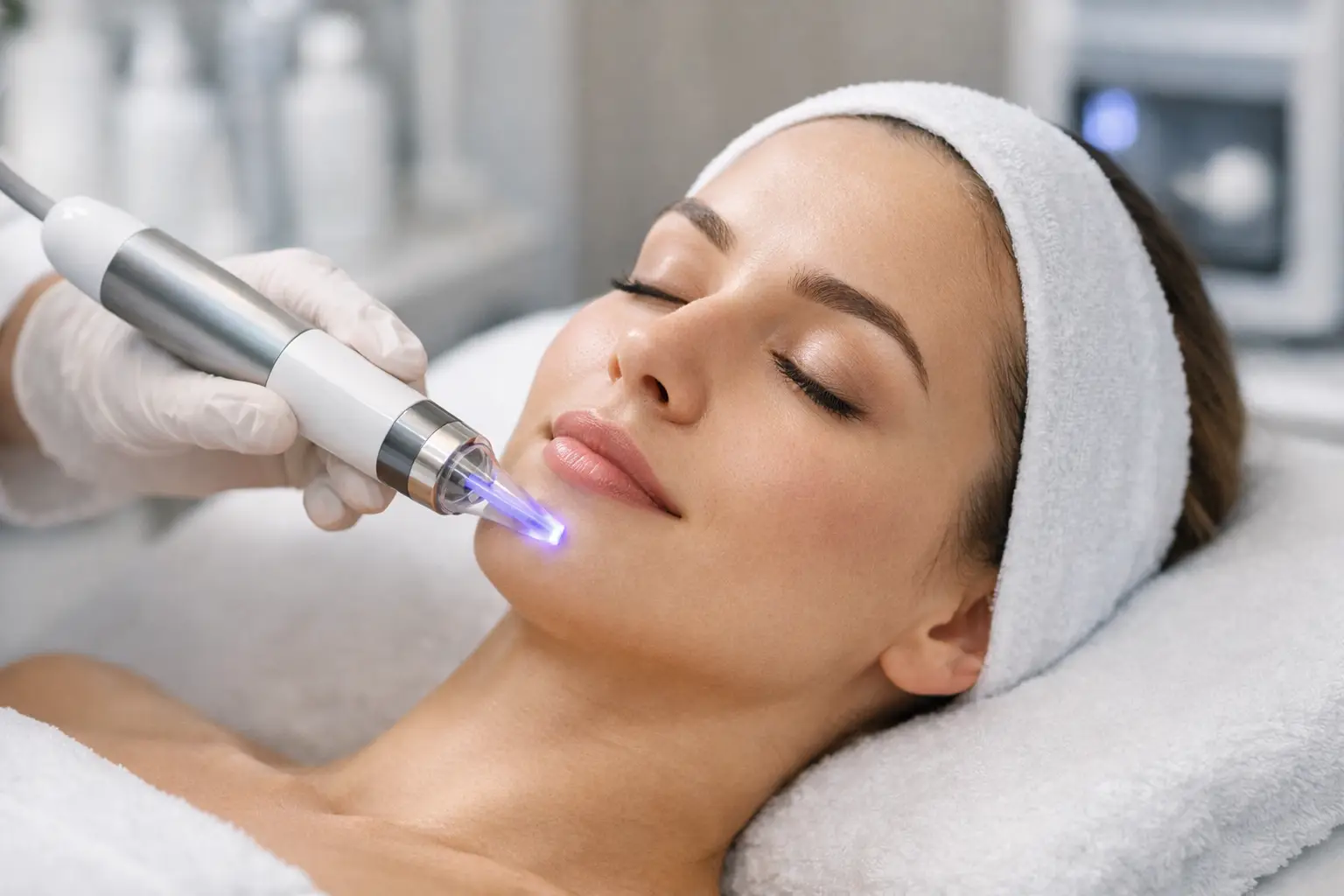
Cold plasma therapy for face uses ionized gas energy at a low temperature to interact with the skin’s surface in a controlled way. Despite the word plasma, this is not heat-heavy resurfacing. The treatment is called cold plasma because it delivers reactive particles without the intense thermal damage associated with more aggressive technologies.
In practical terms, that means the skin can receive antibacterial, anti-inflammatory, and regenerative support without being pushed into major trauma. For clients dealing with acne breakouts, post-inflammatory congestion, uneven texture, or dullness, that gentler approach is a big part of the appeal.
This treatment can also be a strong option for people who want to support collagen activity and skin refinement over time. The results are usually not about looking different overnight. They are about helping your skin look clearer, smoother, and healthier in a way that still feels natural.
Why people choose cold plasma for facial concerns
Most people are not looking for a trend. They are looking for a treatment that makes sense for their actual skin. That is where cold plasma tends to stand out.
For acne-prone skin, one of the biggest benefits is that cold plasma can help reduce acne-causing bacteria while also calming irritation. That combination matters. Some treatments dry the skin out so much that the barrier becomes stressed, which can trigger even more imbalance. Cold plasma is often better tolerated, especially when the goal is to improve breakouts while still respecting skin sensitivity.
For redness or reactive skin, the anti-inflammatory effect is part of what makes this treatment appealing. It may help calm visible irritation and support a more even-looking complexion. That does not mean it replaces medical treatment for every rosacea case or chronic skin condition. It means it can be a useful part of a personalized plan when your provider believes your skin is a good candidate.
Texture is another common reason clients ask about it. Rough patches, enlarged pores, and that generally uneven look that makeup never quite fixes can improve when the skin is supported at the surface level and encouraged to renew itself more efficiently. Fine lines may also soften gradually, especially when cold plasma is used as part of consistent skin maintenance instead of a one-time event.
How the treatment works on the skin
Cold plasma interacts with the skin in a way that helps cleanse, oxygenate, and stimulate. It creates a targeted environment that can reduce microbial activity on the skin while supporting circulation and the natural healing response. Those effects can translate into calmer breakouts, brighter tone, and a fresher overall appearance.
Another reason providers value this technology is that it can improve product penetration. When the skin is properly prepped and treated, post-care serums or supportive ingredients may absorb more effectively. That does not mean every serum suddenly works the same way. It means the treatment can help create better conditions for professional skincare to do its job.
The real value is in the combination of benefits. You are not only addressing one issue. You may be helping acne, visible inflammation, early aging, and skin dullness at the same time. For many clients, that makes the treatment feel efficient and worthwhile.
What cold plasma therapy for face can help improve
A thoughtful cold plasma plan may help with active acne, acne-related congestion, enlarged pores, mild textural irregularities, dull skin, redness, and fine lines. Some clients also notice that their skin feels cleaner and more balanced after a series of sessions.
That said, results depend on the concern. Deeper wrinkles, significant laxity, severe scarring, or more advanced pigmentation concerns may need another treatment approach or a combination plan. Cold plasma is best understood as a versatile, low-downtime option, not a cure-all.
This is where personalization matters. A provider should look at your skin history, current sensitivities, goals, and timeline before recommending it. The best treatment is not the newest one. It is the one that matches your skin and gives you a realistic path to improvement.
What a session feels like
Most clients describe the treatment as comfortable and manageable. You may feel a light sensation across the skin during the session, but it is generally not considered painful. Because this is not an aggressive heat-based treatment, recovery is usually much easier than with stronger resurfacing procedures.
Afterward, your skin may look a little pink depending on your sensitivity level, but downtime is often minimal. Many people return to normal activities quickly, which is one reason this treatment fits so well into a busy schedule.
That convenience matters for clients who want skin improvement without needing to plan around days of peeling or visible irritation. If your lifestyle does not leave much room for recovery, cold plasma can be an appealing middle ground.
How many treatments do you need?
It depends on your skin goals. Some people notice a fresher look after one session, especially if dullness and congestion are the main concerns. For acne, texture, or ongoing redness, a series usually makes more sense.
Skin responds best to consistency. A treatment plan may involve several sessions spaced over time, followed by maintenance visits based on how your skin behaves. That approach tends to produce more stable results than expecting a single appointment to correct everything.
This is also why honest consultation matters. If someone promises dramatic correction after one visit, be cautious. Good aesthetic care should feel encouraging, but it should also be realistic.
Is cold plasma right for all skin types?
One of the biggest advantages of cold plasma is that it is often considered suitable for a wide range of skin types, including clients who may not be ideal candidates for more aggressive procedures. That can be especially reassuring for people concerned about irritation or post-treatment sensitivity.
Still, safe for many does not mean right for everyone. Active infections, certain skin conditions, recent treatments, or individual medical factors may change the recommendation. A professional evaluation is the best way to determine whether this option fits your skin safely.
If you have darker skin tones or a history of post-inflammatory discoloration, gentler technologies are often worth discussing because treatment selection matters. The goal should always be visible improvement without creating new problems.
How it compares to other facial treatments
Cold plasma is not the same as a traditional facial, chemical peel, or laser treatment. A facial is often centered on cleansing, hydration, and short-term glow. A peel can be excellent for exfoliation and pigment concerns, but some formulas involve more peeling or sensitivity. Lasers may target deeper issues effectively, but they can also come with more downtime and stricter aftercare.
Cold plasma tends to fit best for clients who want a non-invasive treatment that supports clear, calm, refined skin with a lighter recovery period. It can also complement other services as part of a broader skin plan.
The trade-off is that gentler treatments often build results gradually. If you want major resurfacing quickly and you are a candidate for stronger procedures, another option may be more efficient. If your priority is steady improvement, comfort, and skin-friendly maintenance, cold plasma may be exactly the right pace.
Getting the best results
The treatment itself is only part of the equation. Your skin will respond better when your home care supports what happens in the treatment room. That usually means using appropriate cleanser, hydration, sun protection, and any targeted products your provider recommends.
It also helps to avoid the common mistake of doing too much. Over-exfoliating, mixing too many active ingredients, or chasing every trending product can keep skin inflamed and make professional treatments less effective. Better skin usually comes from a clear plan, not a crowded one.
At JFU Wellness Beauty, that kind of customized planning is part of what makes aesthetic care feel more supportive and less overwhelming. The right treatment should meet your skin where it is, not where social media says it should be.
If your goal is healthier-looking skin that feels clearer, calmer, and more confident without going to extremes, cold plasma may be worth discussing with a qualified provider. Sometimes the best next step is not a dramatic reset. It is choosing a treatment that respects your skin and helps it perform better, one session at a time.

Leave a Reply