
Best Treatment for Rosacea Redness
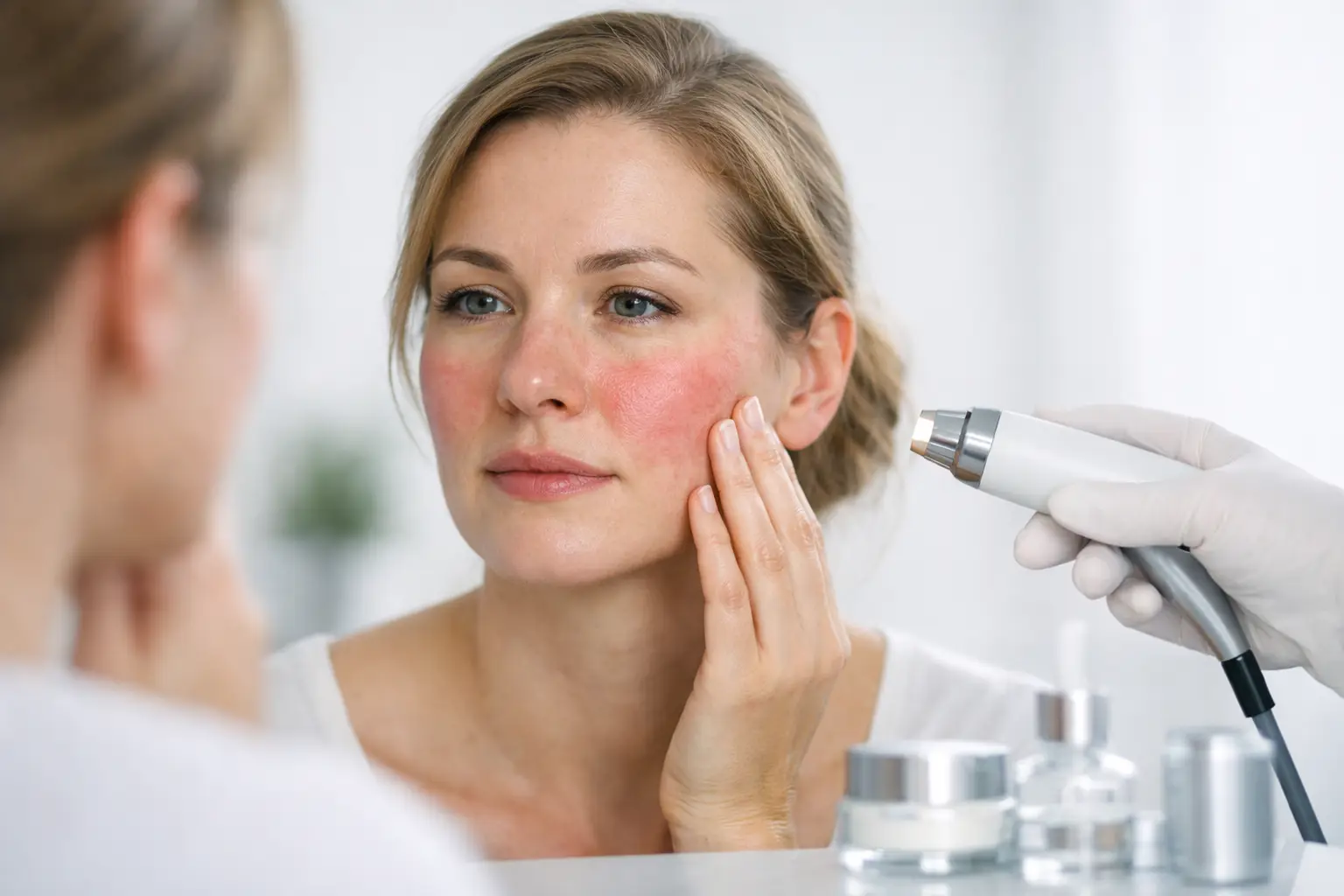
Rosacea rarely shows up quietly. For many women, it starts as a flush that lingers longer than it used to, then gradually becomes daily redness across the cheeks, nose, chin, or forehead. If you are searching for the best treatment for rosacea redness, the real answer is not one trendy product or one aggressive procedure. It is a personalized plan that calms inflammation, protects the skin barrier, and chooses professional treatments carefully.
That matters because rosacea-prone skin does not respond well to a one-size-fits-all approach. What helps one person can irritate another. The goal is not to overwhelm already sensitive skin. It is to reduce visible redness safely, support long-term skin health, and help you feel more comfortable and confident in your skin.
What is the best treatment for rosacea redness?
The best treatment for rosacea redness is usually a combination of gentle skincare, trigger management, daily sun protection, and professional guidance. In some cases, prescription topicals or oral medications are part of the plan. In others, soothing in-clinic treatments can improve the look of redness without causing unnecessary stress to the skin.
The reason combination care works best is simple. Rosacea is not just surface color. It involves inflammation, blood vessel reactivity, and skin sensitivity. If you only try to cover the redness without calming what is causing it, the improvement is often limited or short-lived.
For mild rosacea, the best approach may start with fragrance-free skincare, mineral sunscreen, and avoiding common triggers like heat, alcohol, spicy foods, or harsh exfoliants. For moderate or stubborn redness, a provider may recommend prescription support along with treatments designed for sensitive skin. Severe or visibly vascular rosacea may require a more advanced medical evaluation before any aesthetic service is considered.
Why rosacea redness can be hard to treat
Rosacea often behaves like sensitive skin, but with higher stakes. Skin may sting, burn, flush easily, or react to products that seem mild on paper. That is why overly aggressive facials, strong acids, rough scrubs, and heat-heavy treatments can make redness worse instead of better.
Another challenge is that rosacea has different subtypes. Some clients mainly notice persistent redness and flushing. Others develop bumps and pustules that look similar to acne. Some experience visible broken capillaries, while others deal with dry, irritated skin and a constant feeling of heat. The best treatment depends on which pattern your skin is showing.
This is also why self-diagnosing can delay progress. Redness is not always rosacea. It can overlap with eczema, allergic irritation, sun damage, or a compromised skin barrier. A professional assessment helps narrow down what your skin actually needs.
The foundation of any rosacea treatment plan
Before professional treatments even enter the picture, the daily basics matter more than most people think. A gentle cleanser, a barrier-supporting moisturizer, and broad-spectrum sunscreen are not glamorous, but they often make the biggest difference over time.
Look for skincare that is simple and calming. Products with fragrance, high amounts of alcohol, gritty exfoliants, or too many active ingredients can increase flushing. Even ingredients that are popular for anti-aging or acne, such as retinoids or strong acids, may need to be introduced slowly or avoided depending on your skin tolerance.
Sun exposure is one of the most common rosacea triggers. Daily SPF is not optional if redness is your concern. Mineral formulas are often better tolerated because they tend to be less irritating than some chemical filters. Consistent sun protection can help prevent both flare-ups and cumulative inflammation.
Professional options for the best treatment for rosacea redness
Once the skin barrier is more stable, professional treatments may help reduce visible redness and improve comfort. The key word is may, because not every treatment suits every rosacea client.
A calming facial can be a good starting point when the skin is reactive, dehydrated, and easily inflamed. The right facial for rosacea should focus on soothing ingredients, gentle cleansing, and barrier support rather than aggressive exfoliation or intense stimulation. This is where customization matters. A treatment that is excellent for acne or texture may be completely wrong for rosacea.
Chemical peels require even more caution. Some people with rosacea can tolerate very gentle, carefully selected peels under professional supervision, especially if the goal is mild exfoliation and skin renewal without triggering inflammation. But stronger peels or poorly timed treatments can lead to more redness, irritation, and setbacks. In rosacea care, more is not better.
Cold plasma therapy may be worth discussing in a professional setting because it can support skin healing and help calm compromised skin when used appropriately. It is not a cure for rosacea, and results vary by individual, but some clients with sensitive or inflamed skin respond well to treatments that focus on recovery and barrier function rather than intense resurfacing.
The best providers take a conservative approach. They watch how your skin responds, build slowly, and adjust based on your trigger patterns, tolerance, and overall goals.
When skincare alone is not enough
If your redness is persistent, worsening, or paired with bumps, visible vessels, burning, or eye irritation, over-the-counter skincare may not be enough. Rosacea often benefits from medical guidance, especially when inflammation is active.
Prescription creams or gels may help reduce inflammatory lesions or visible redness. Some oral medications are used short term to calm flares. These options are especially useful when the skin is uncomfortable or when bumps and pustules are part of the picture.
There is an important trade-off here. Medication can be very effective, but it usually works best when paired with supportive skincare and trigger control. If the underlying habits and irritants stay the same, flare-ups often continue.
What to avoid if you want less redness
Clients often focus on what to add, but rosacea care is just as much about what to stop. Harsh scrubs, cleansing brushes, very hot water, steam-heavy treatments, and strong at-home peels are common problems. So are overcomplicated routines packed with acids, retinol, vitamin C, acne spot treatments, and exfoliating pads all at once.
Heat is another major issue. Hot yoga, saunas, long hot showers, and intense sun exposure can all trigger flushing. That does not mean you need to avoid exercise or outdoor life altogether. It means your routine may need small adjustments, like cooler environments, shorter heat exposure, and better skin recovery afterward.
Alcohol and spicy foods can also be triggers for some people, but not everyone. Rosacea management works best when you notice your own patterns instead of assuming every common trigger applies to you.
How to know a treatment is right for your skin
A good rosacea treatment should make your skin feel calmer over time, not raw, tight, or constantly reactive. Improvement may look like less daily flushing, reduced visible redness, fewer bumps, and better tolerance to your basic skincare routine.
You should also feel that your provider is taking your sensitivity seriously. Rosacea treatment should never feel rushed. A thoughtful consultation, patch testing when appropriate, and realistic expectations are all signs that your skin is being treated with care.
At JFU Wellness Beauty, that personalized approach matters because rosacea-prone skin needs support, not pressure. The right plan respects your skin’s limits while still helping you move toward visible improvement.
A realistic timeline for results
Rosacea redness usually does not disappear overnight. Even with the best treatment plan, improvement tends to happen gradually. Some clients notice less irritation within a few weeks after simplifying their routine and reducing triggers. Visible redness may take longer, especially if the skin has been inflamed for a long time.
This can be frustrating, especially if you have already spent money on products that promised instant calm. But steady progress is more valuable than a short burst of improvement followed by a major flare. With rosacea, consistency wins.
The most successful plans are usually the least dramatic. Gentle skincare. Smart sun protection. Professional treatments chosen carefully. Medical support when needed. That combination may not sound flashy, but it is often what leads to skin that looks clearer, feels stronger, and reacts less often.
If your redness has been difficult to manage, the next best step is not guessing harder. It is getting a personalized evaluation and building a treatment plan that works with your skin instead of against it.

Leave a Reply